Food & Drink picks
Cleaner pantry staples, snacks, beverages, and everyday groceries without artificial additives.
Our Picks
Curated recommendations
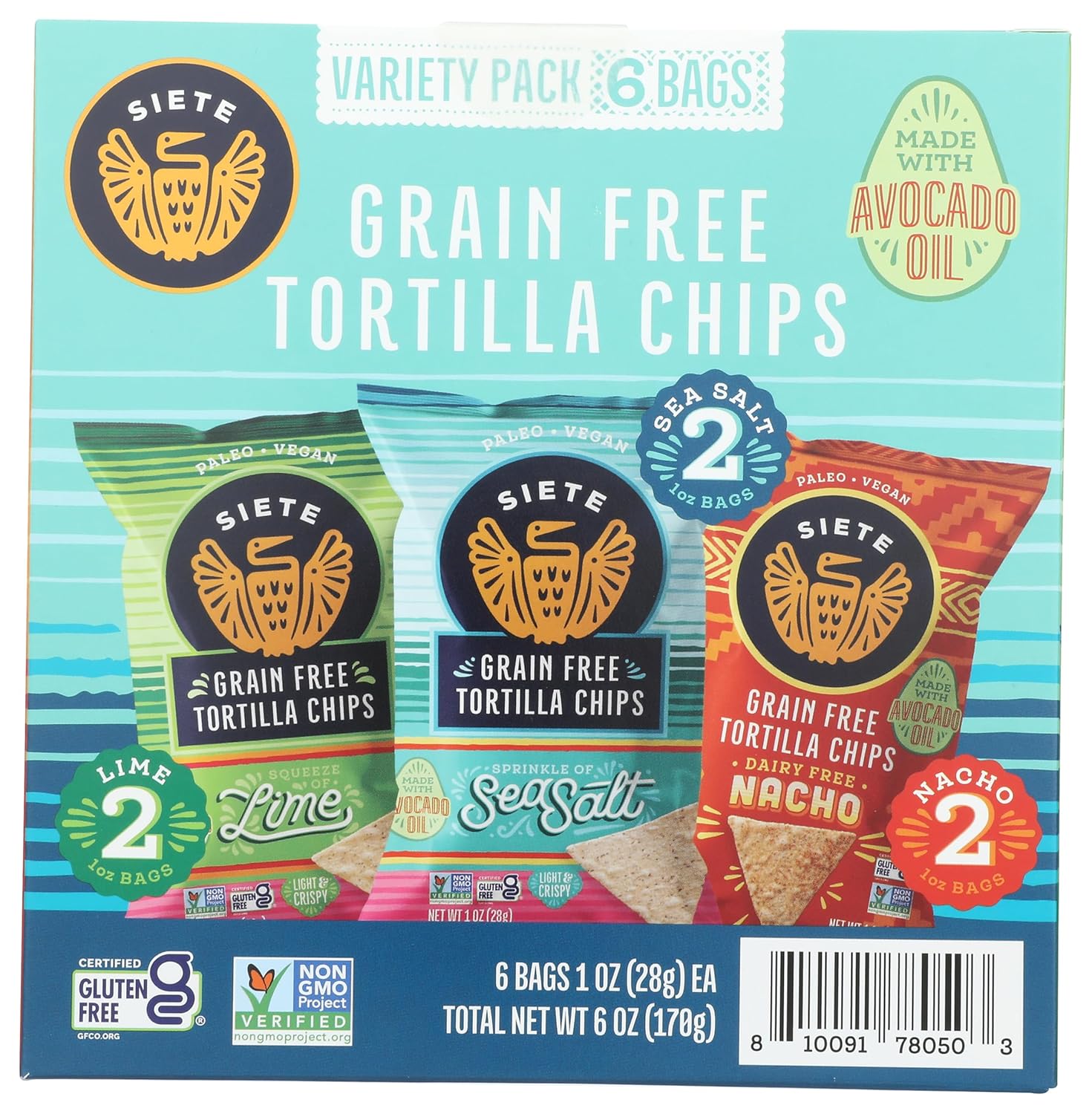
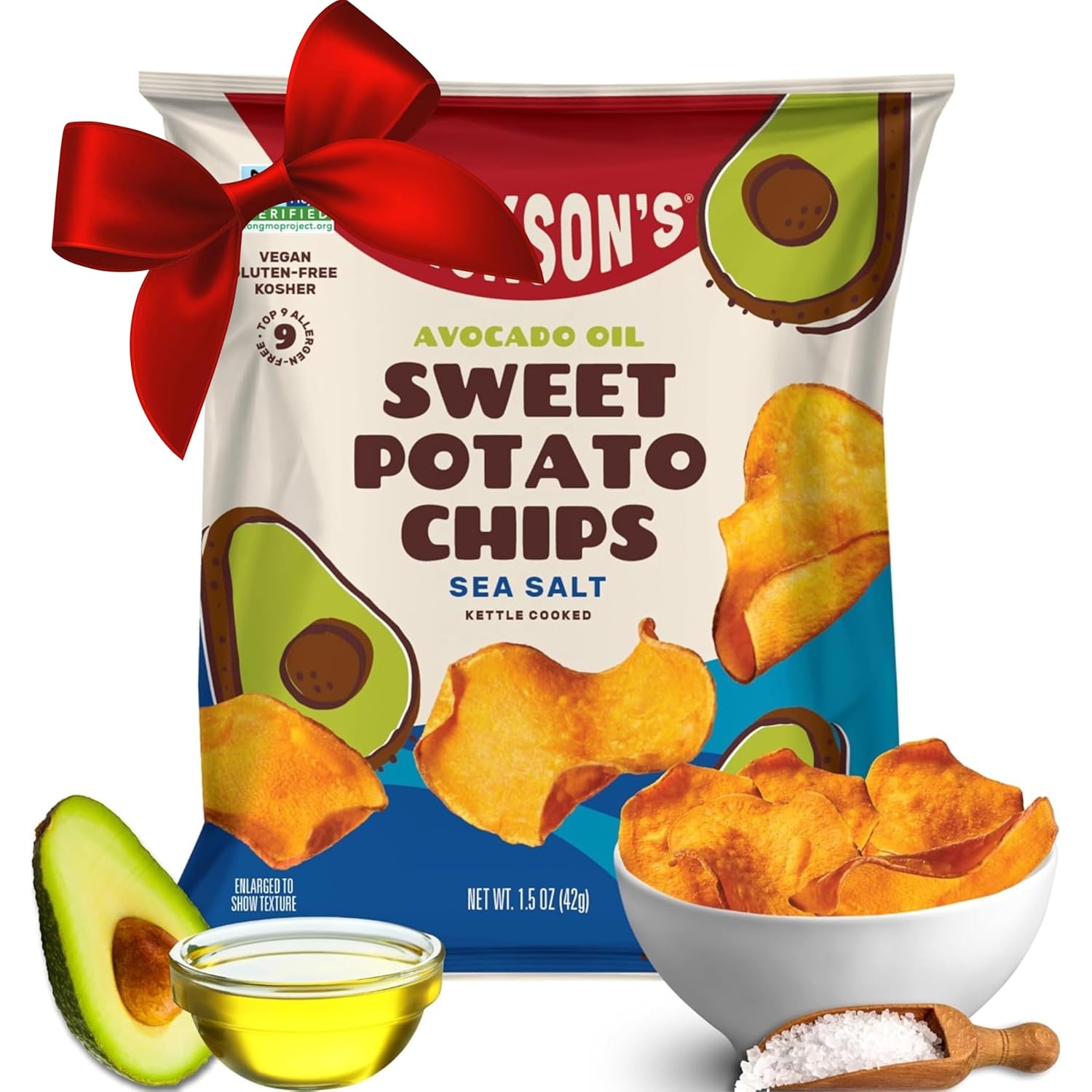
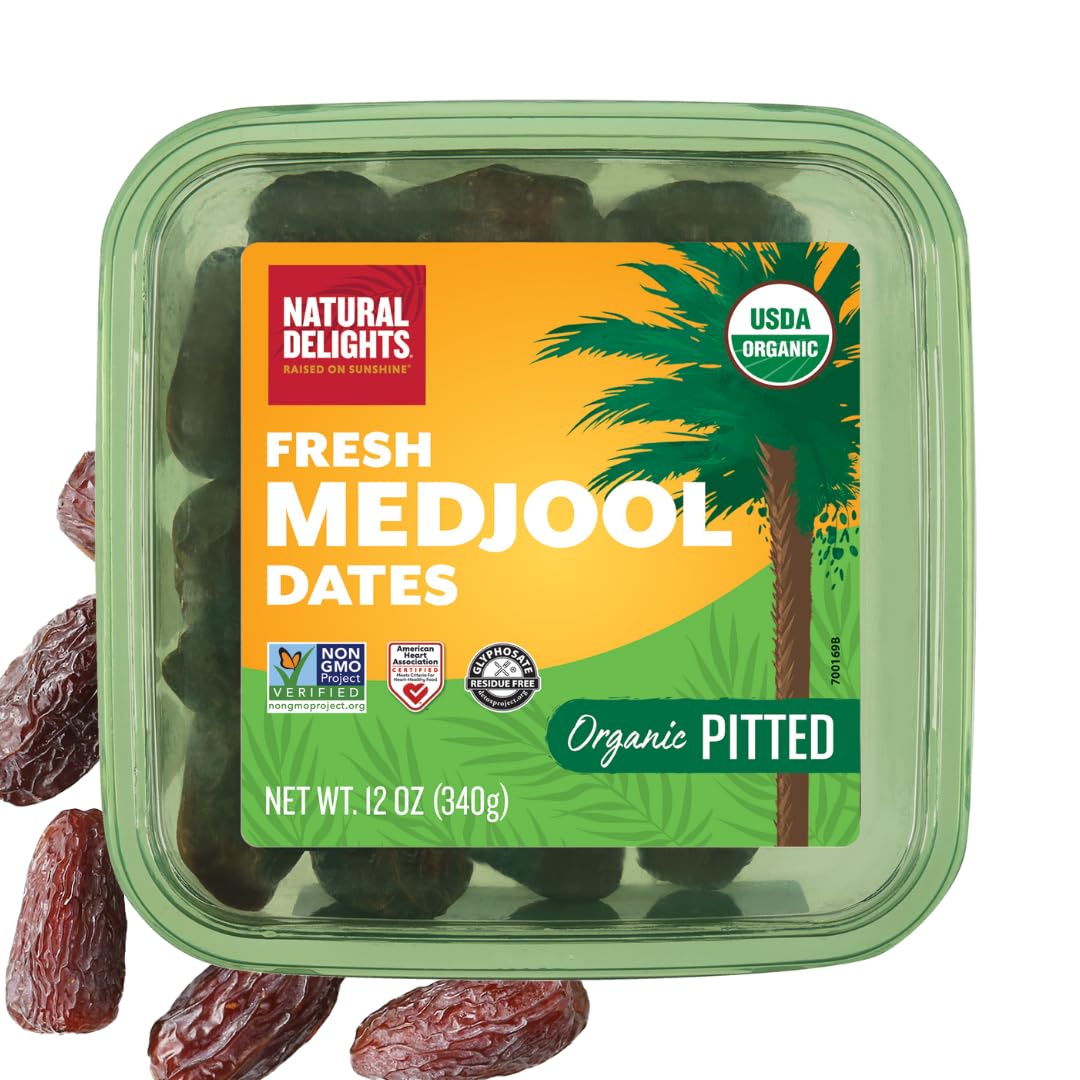
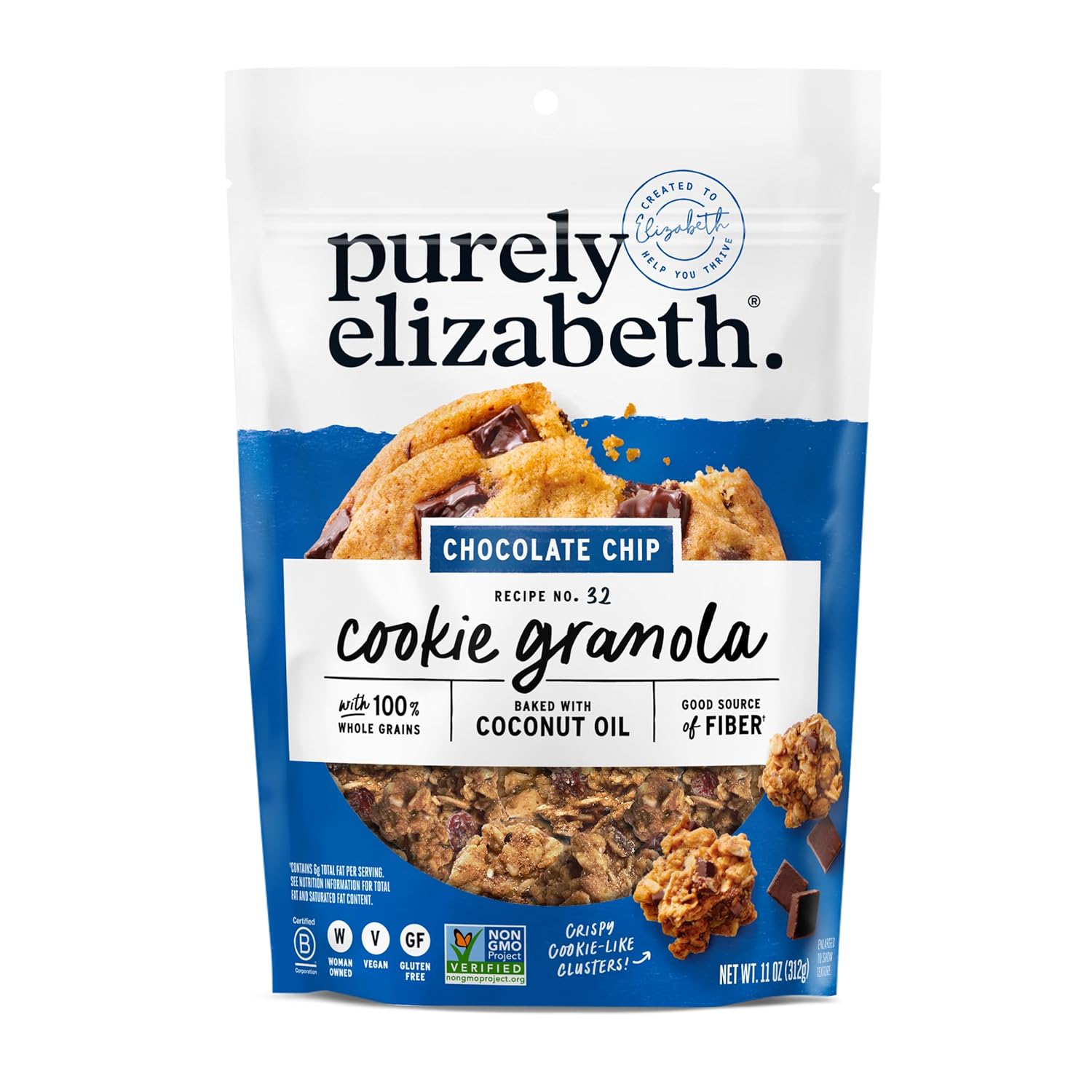
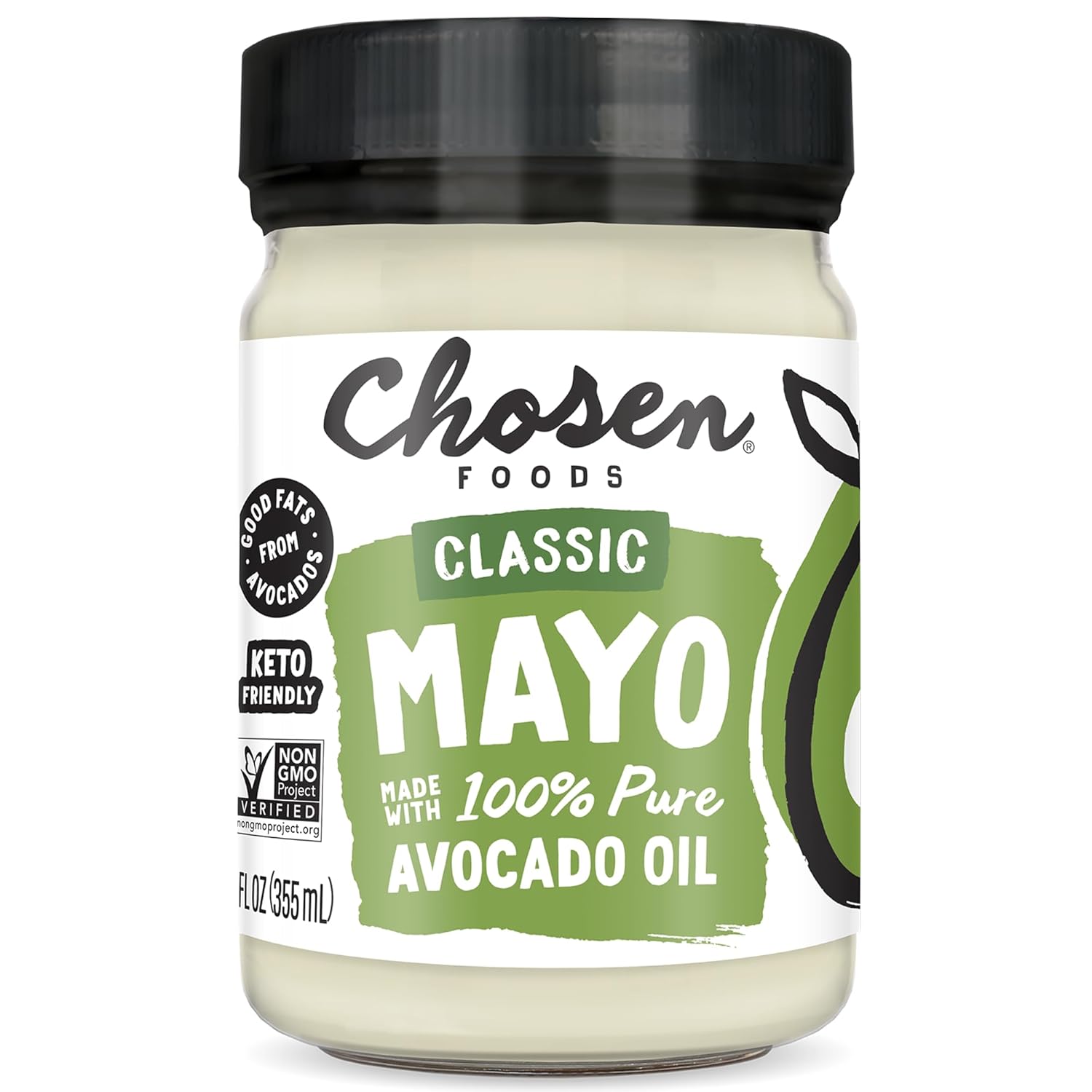
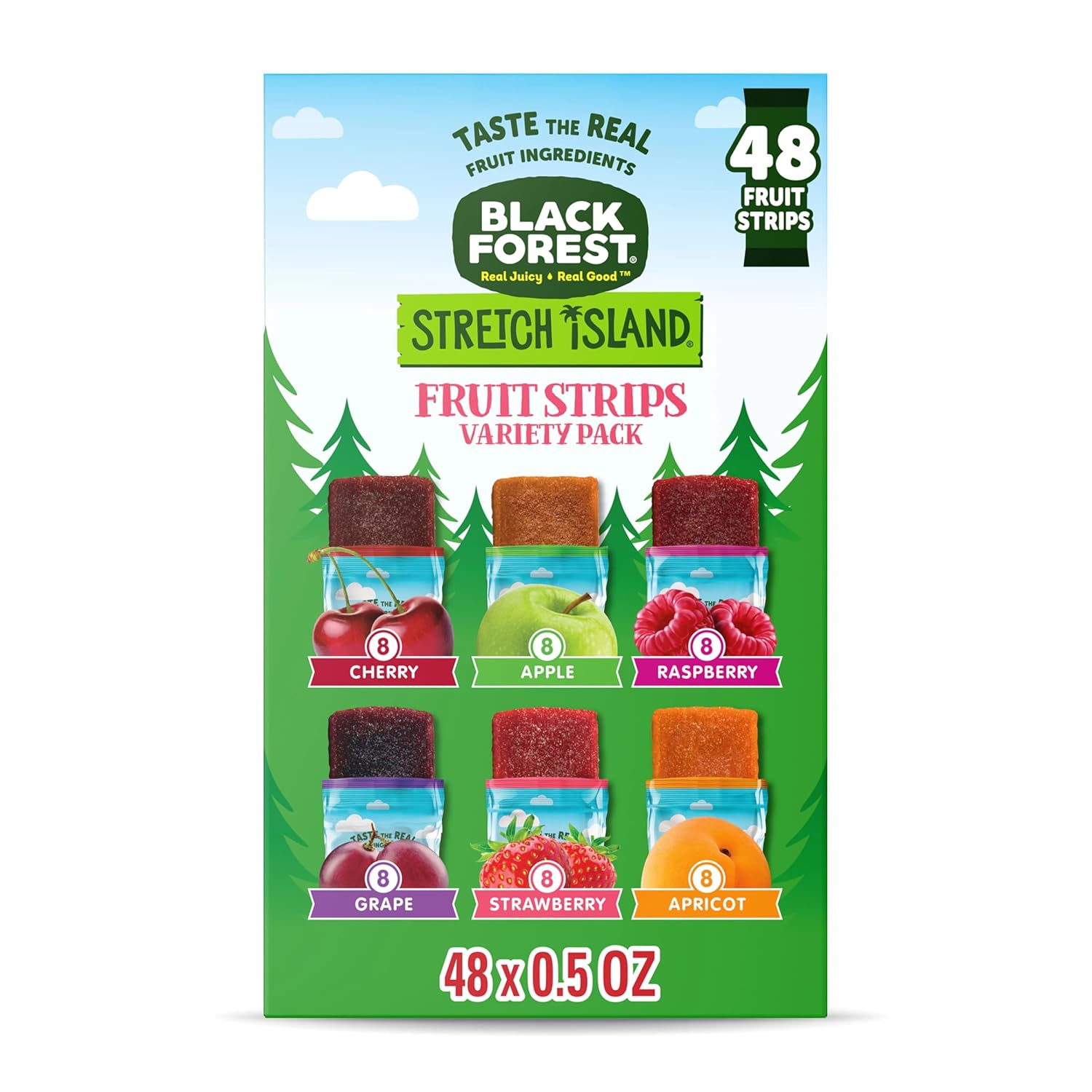
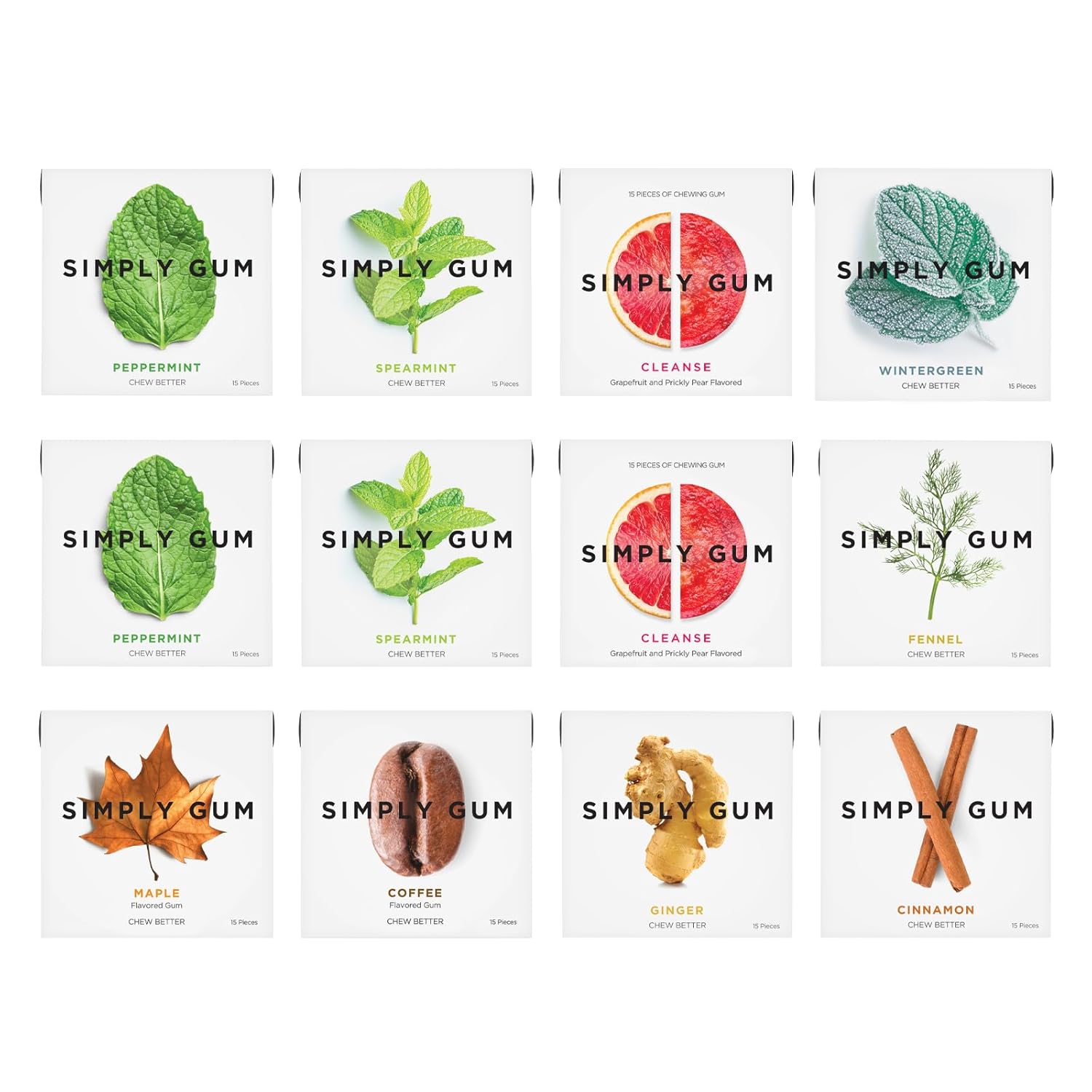
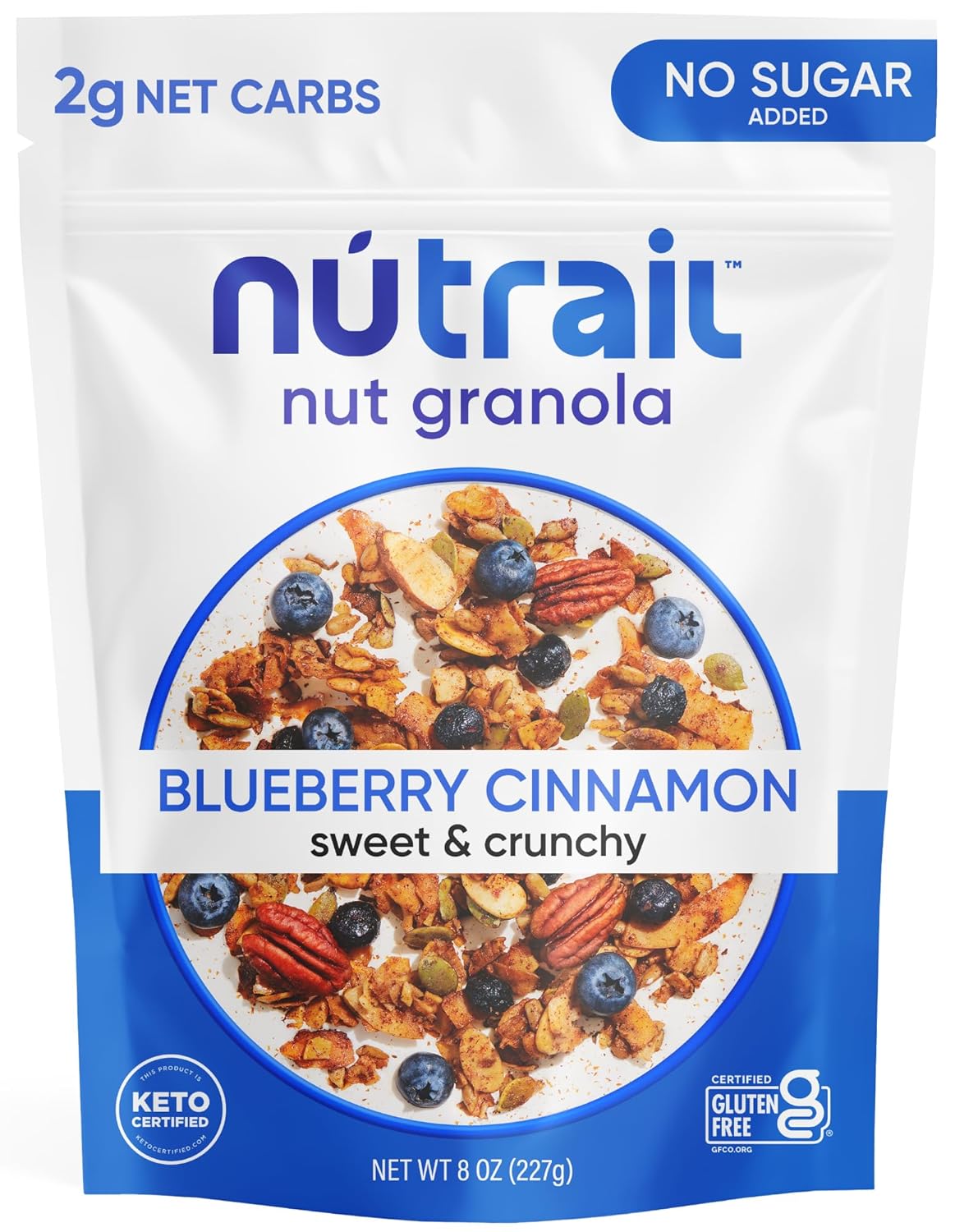
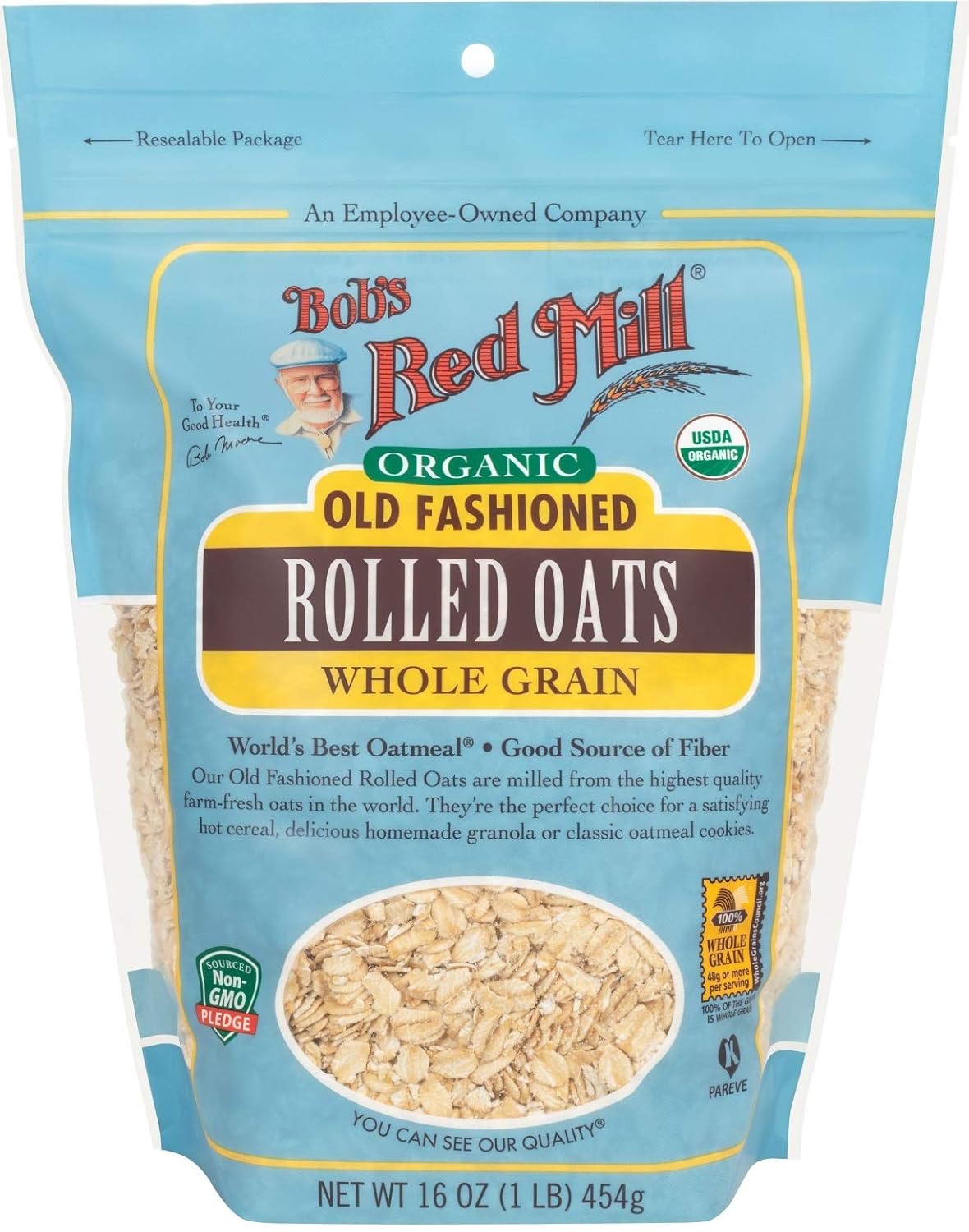
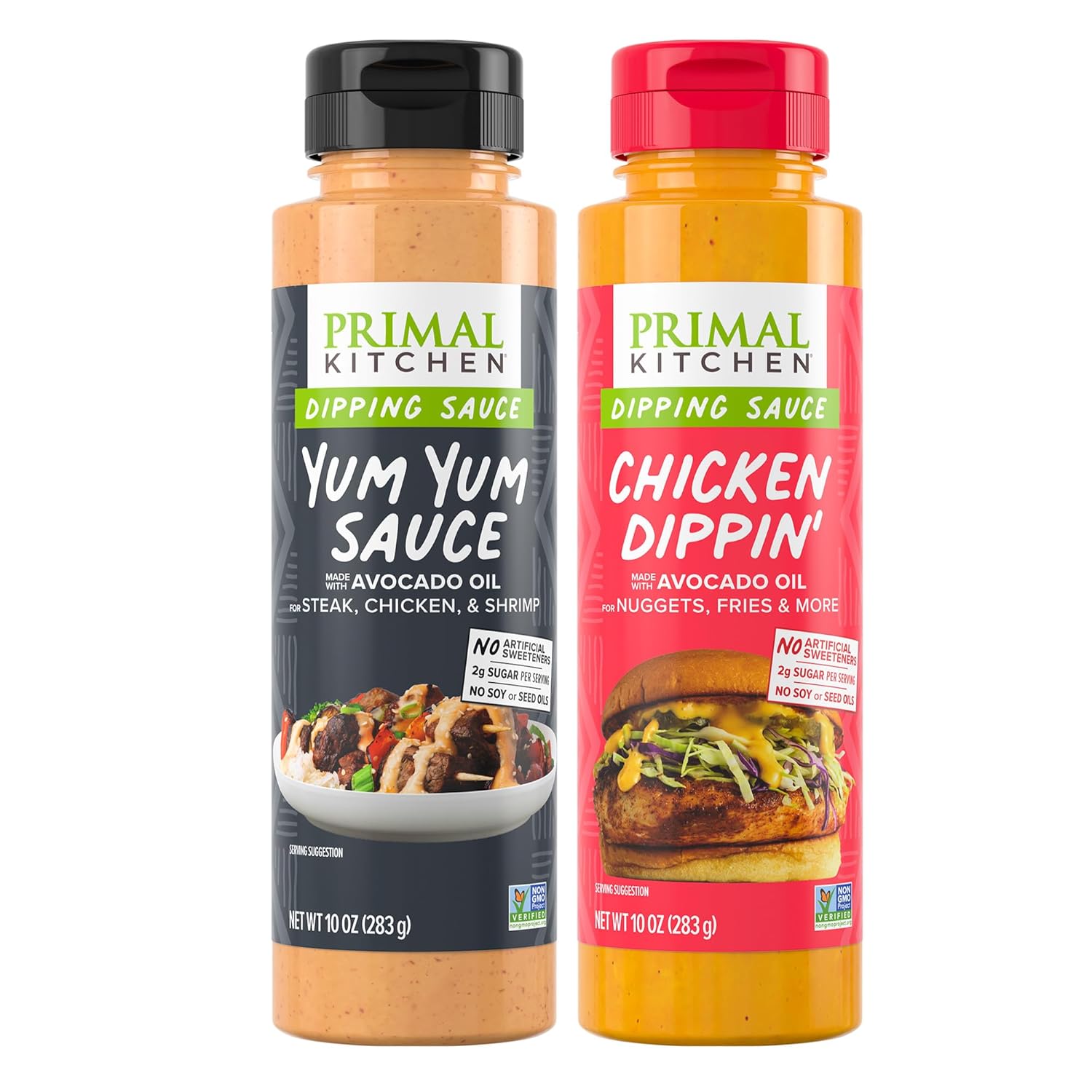
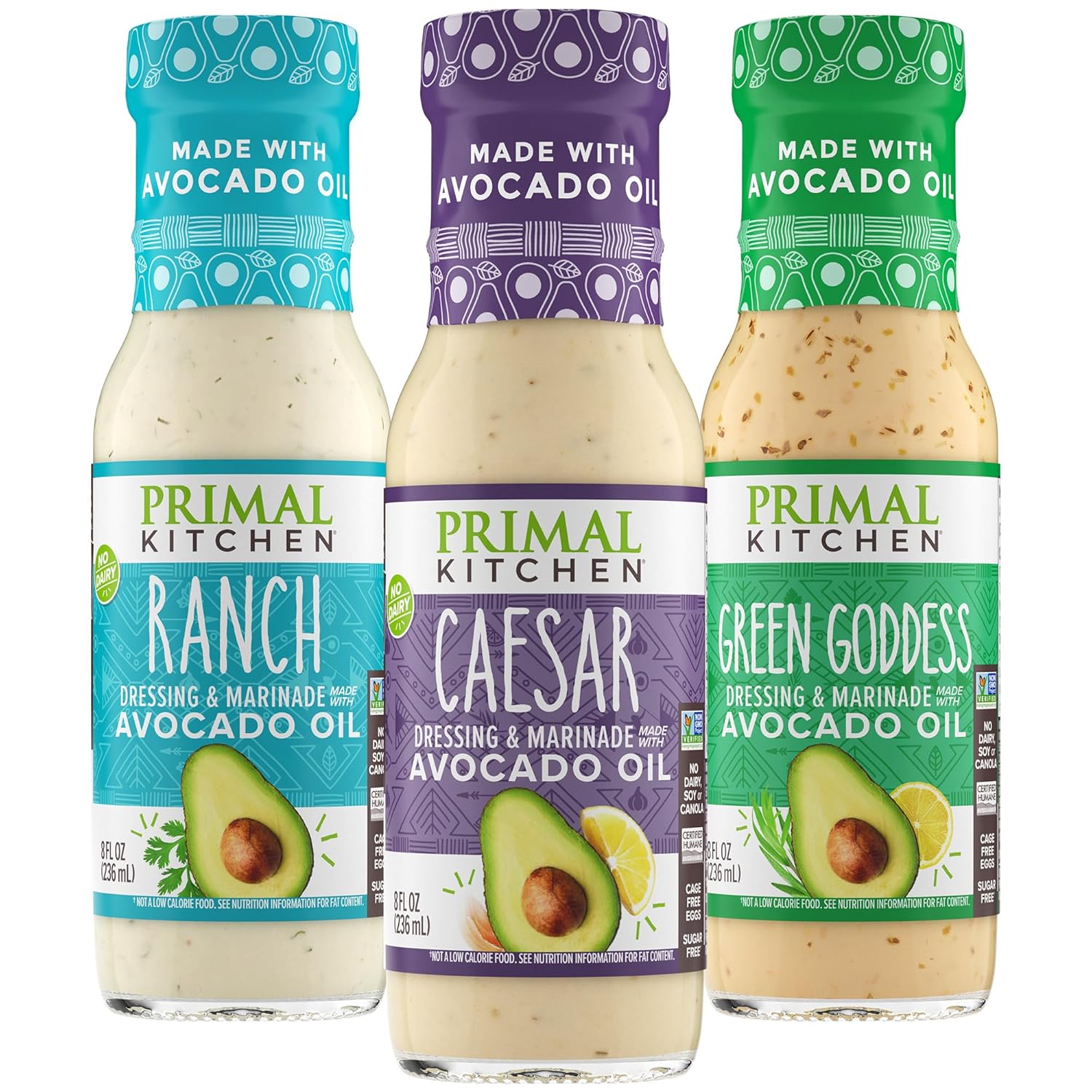
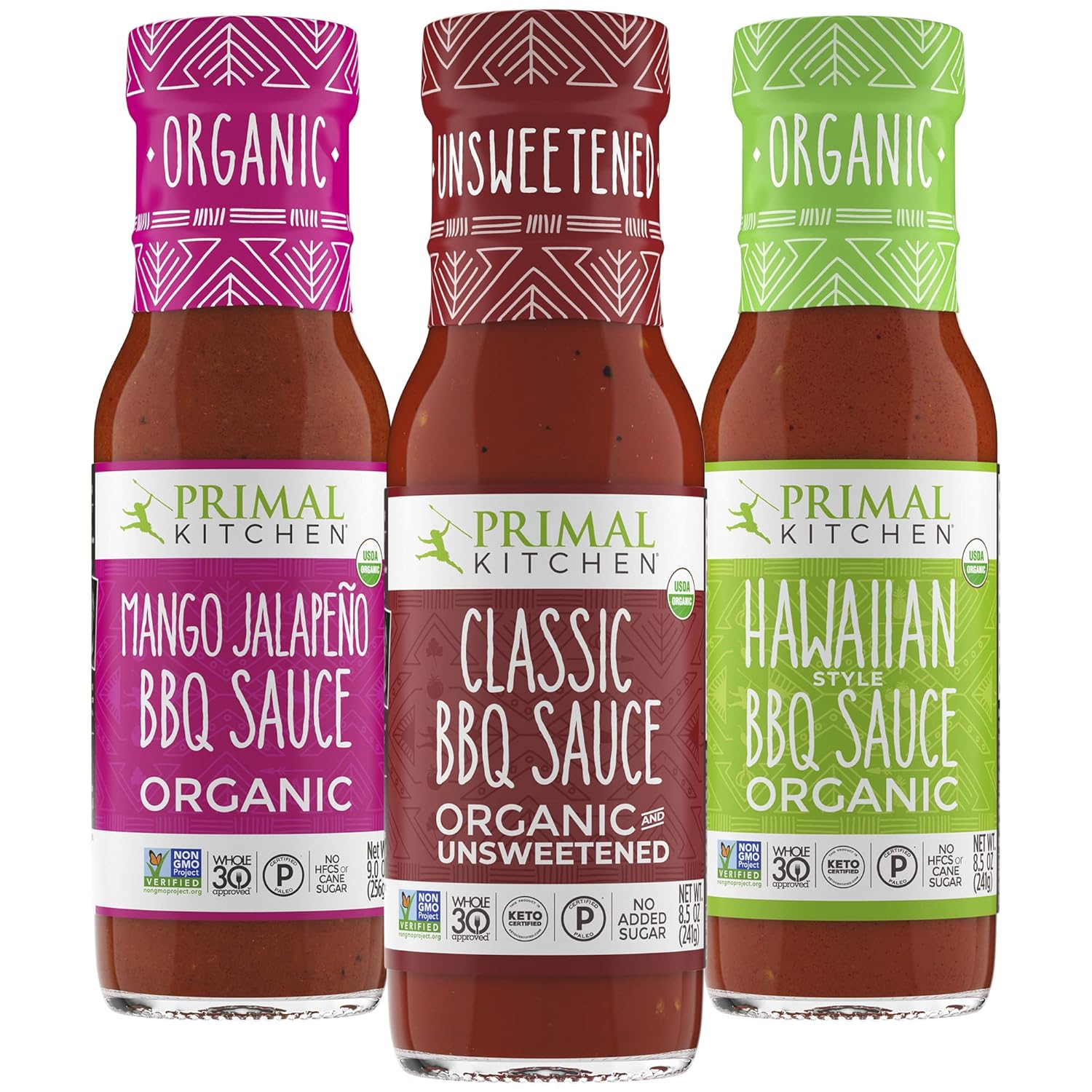
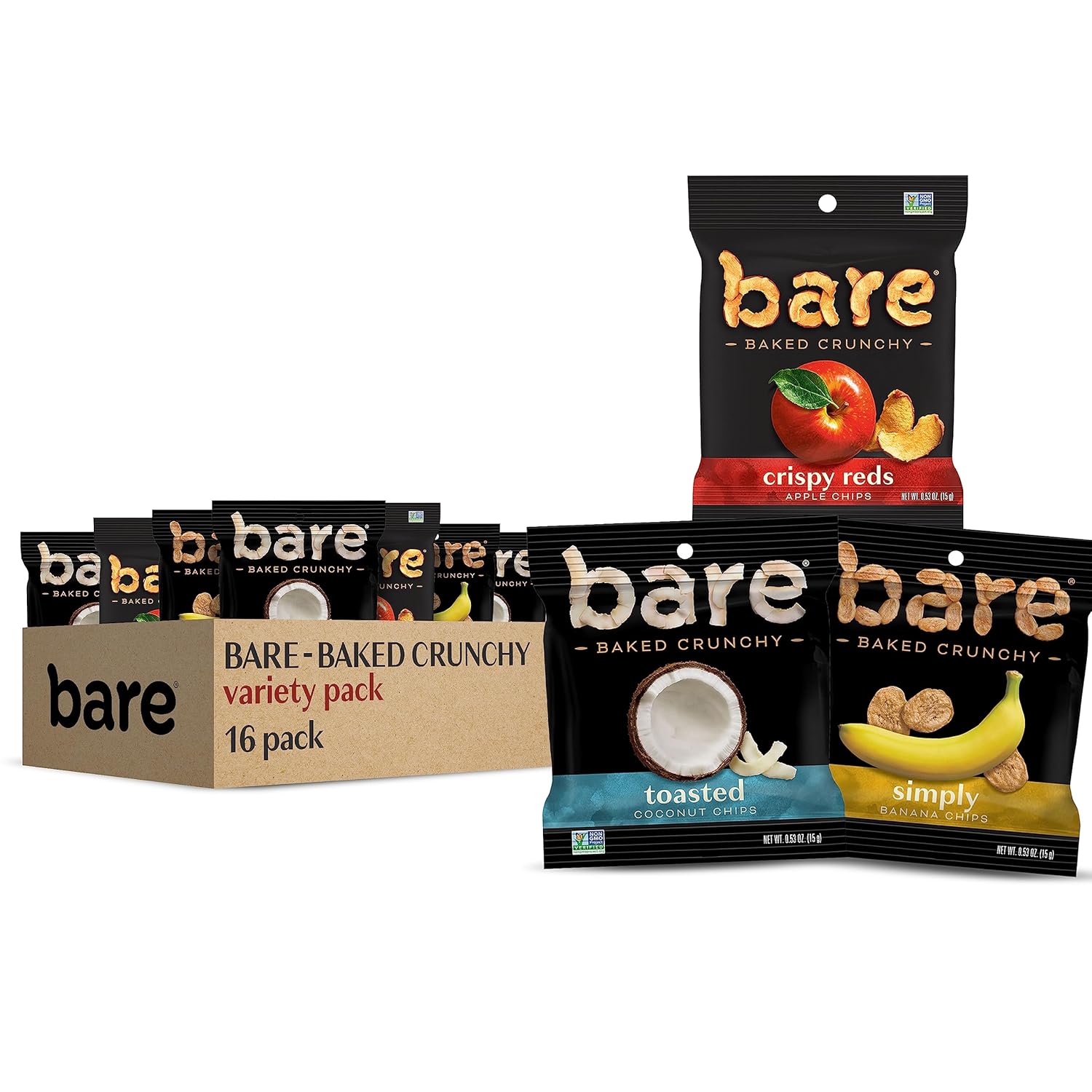
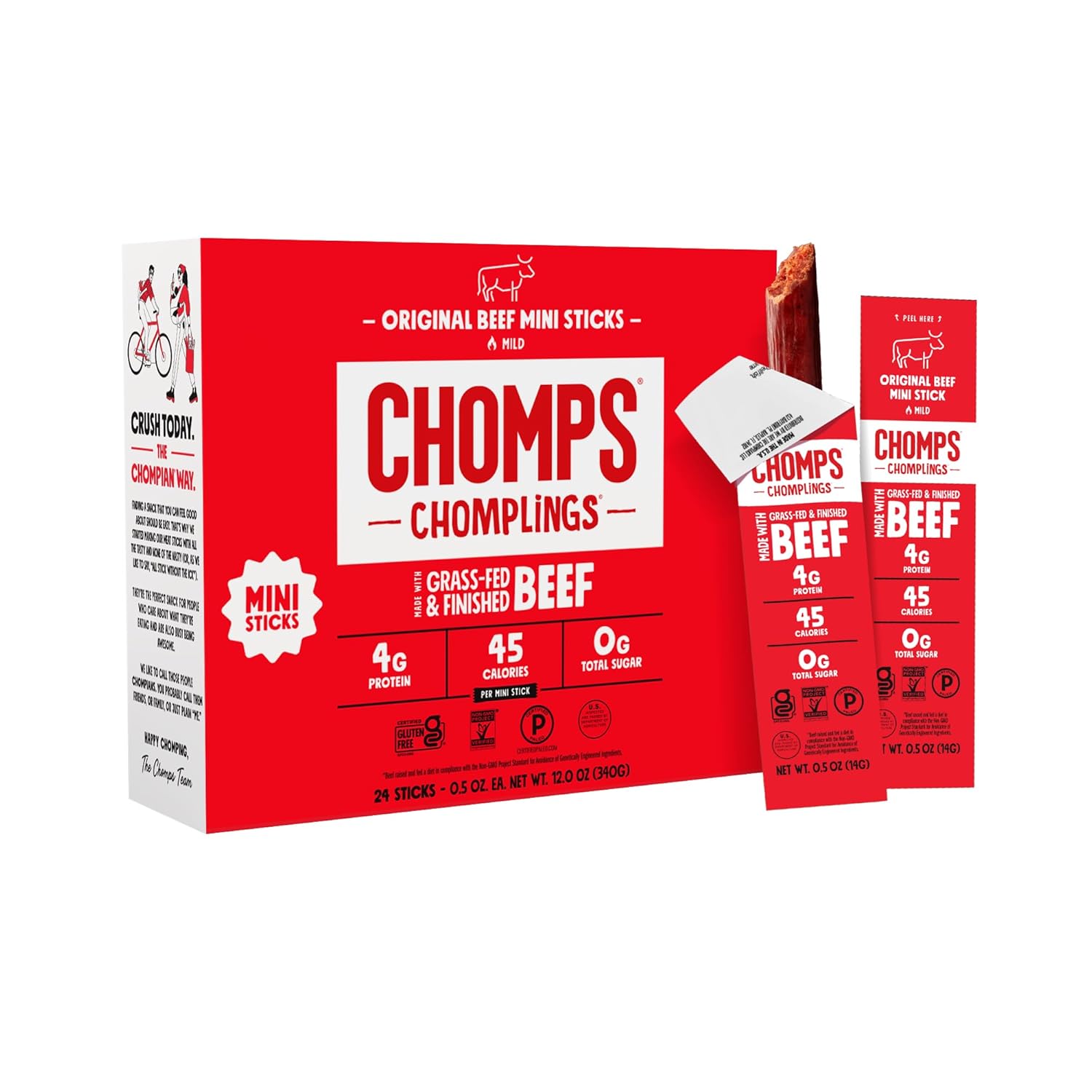
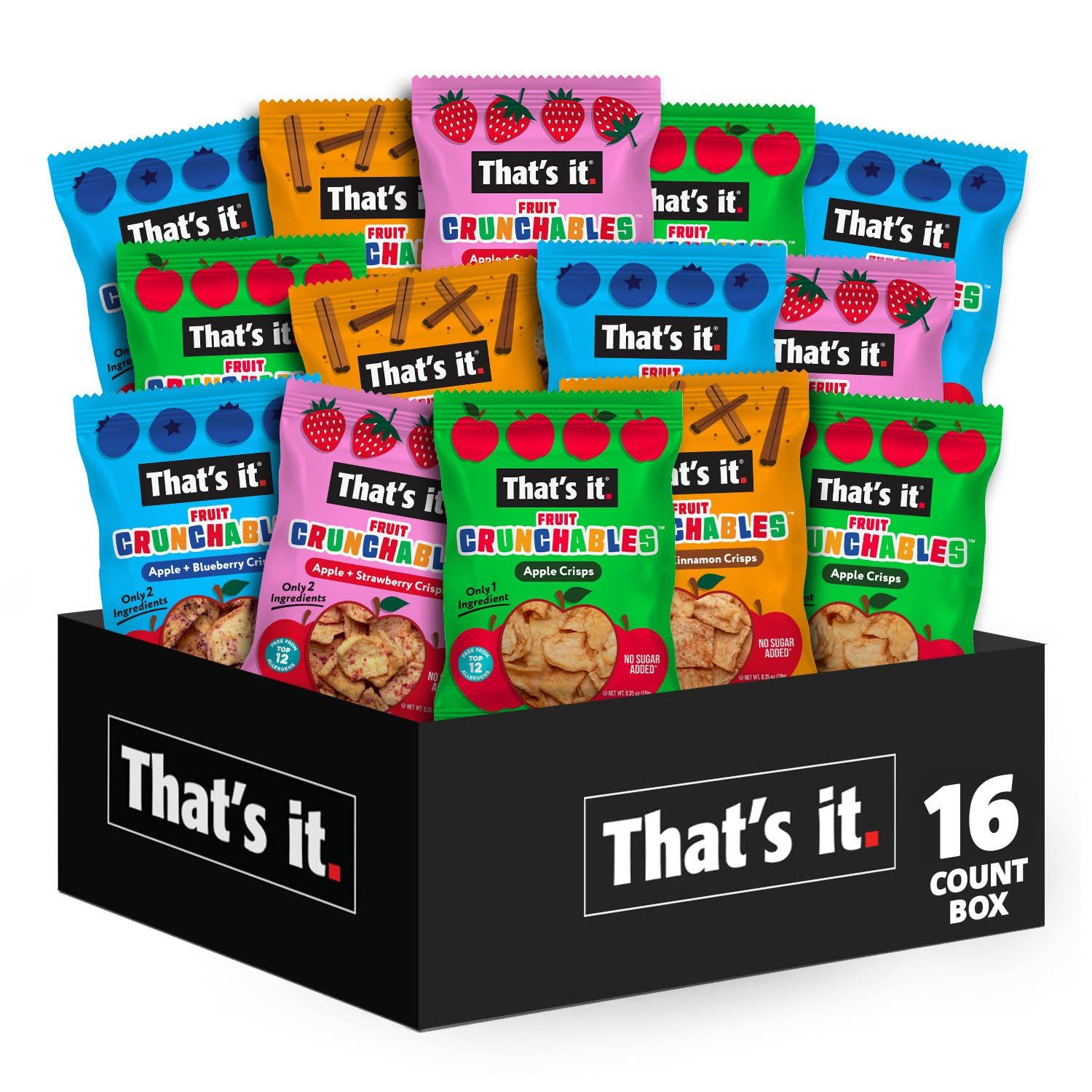
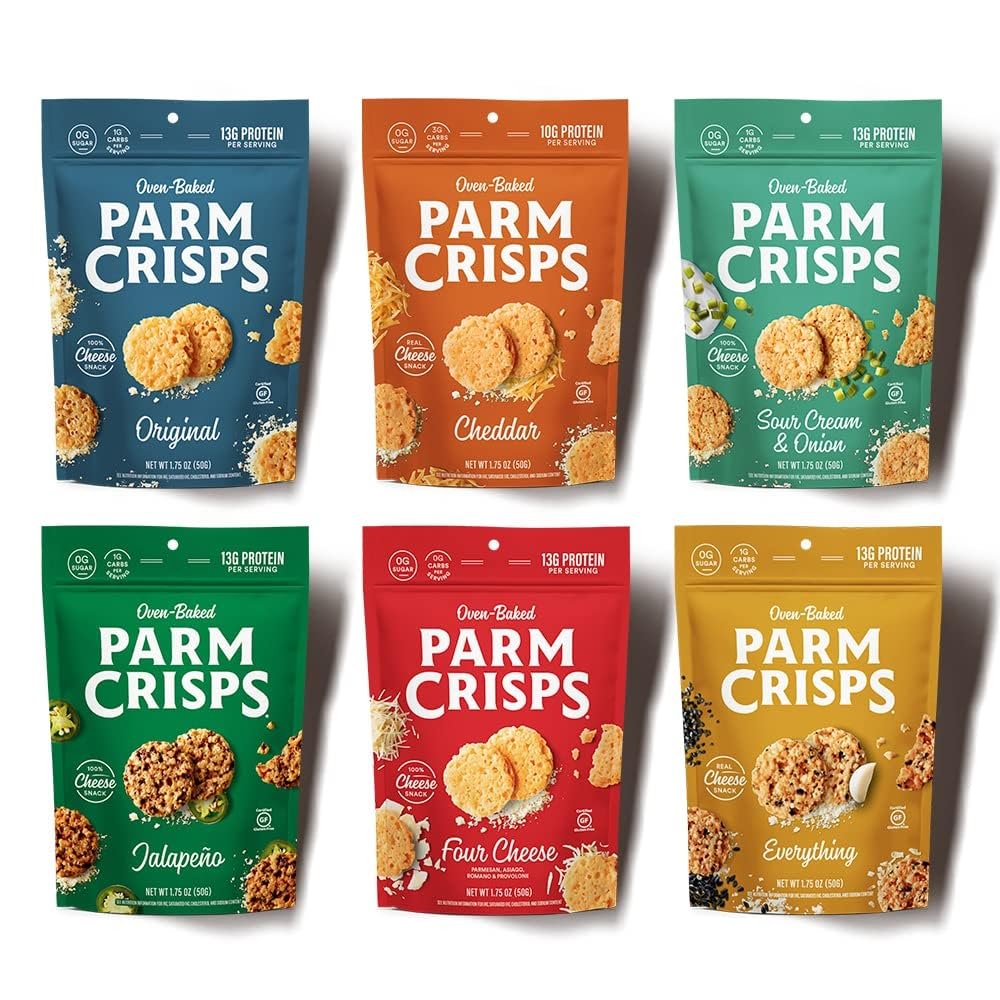
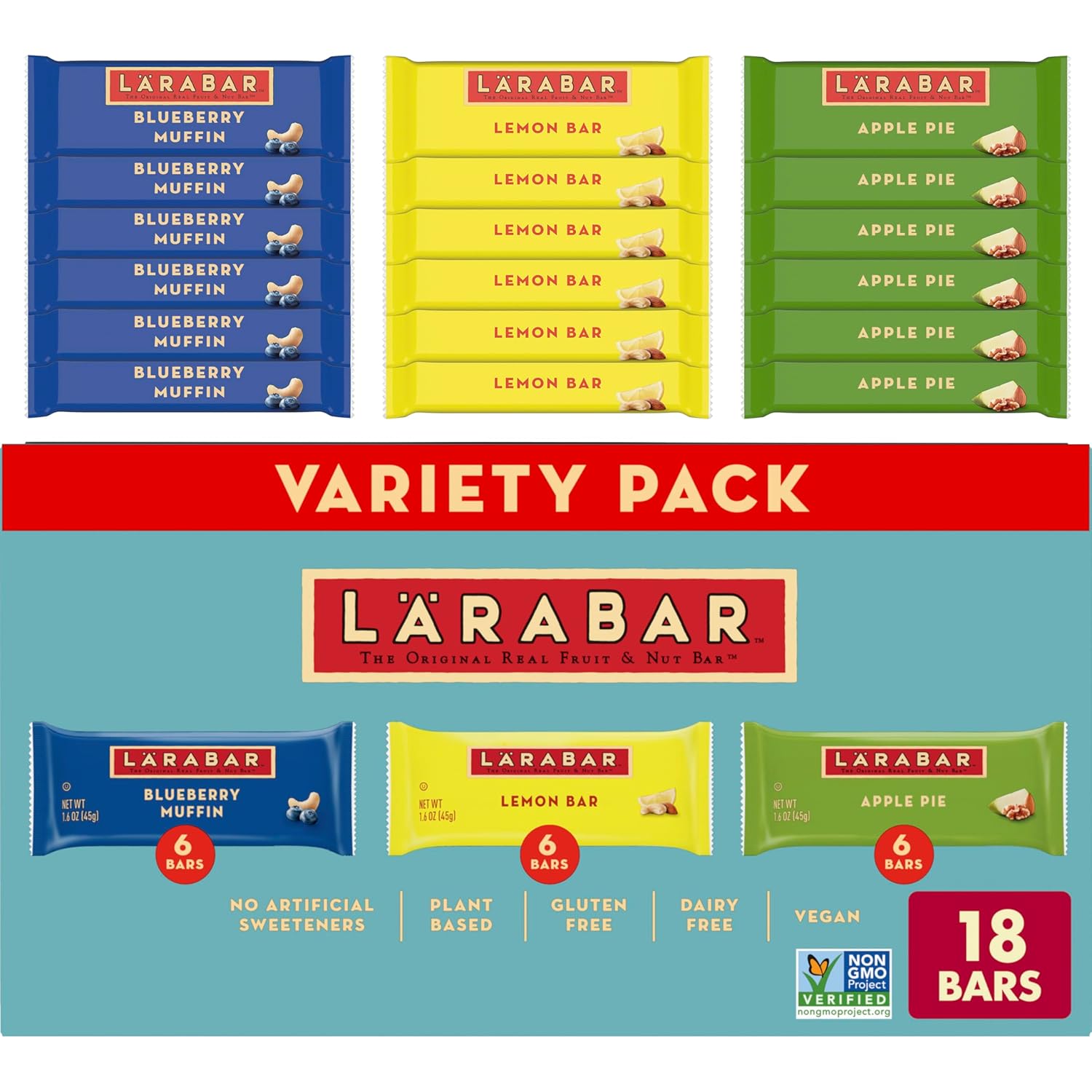
Larabar
Fruit & Nut Bars
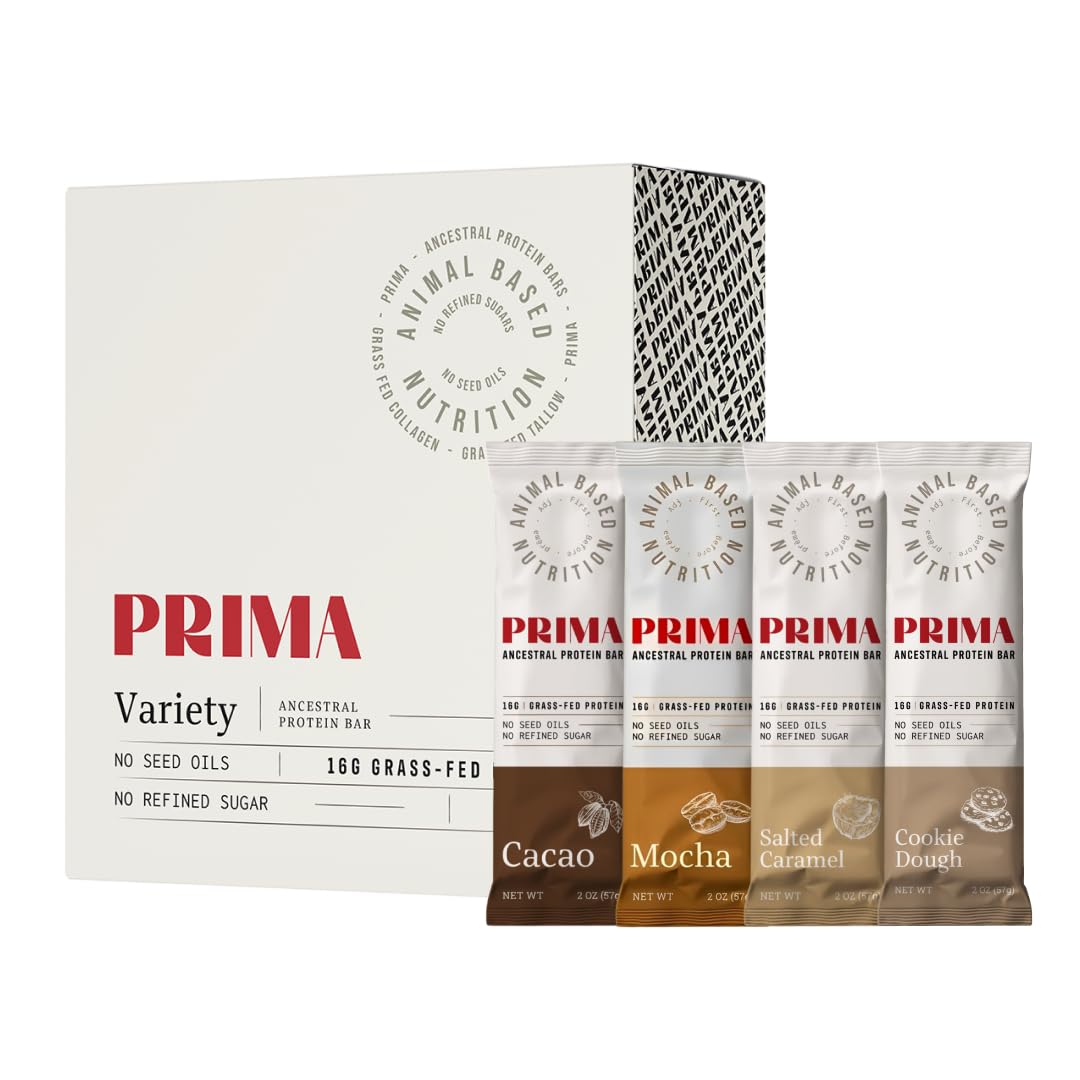
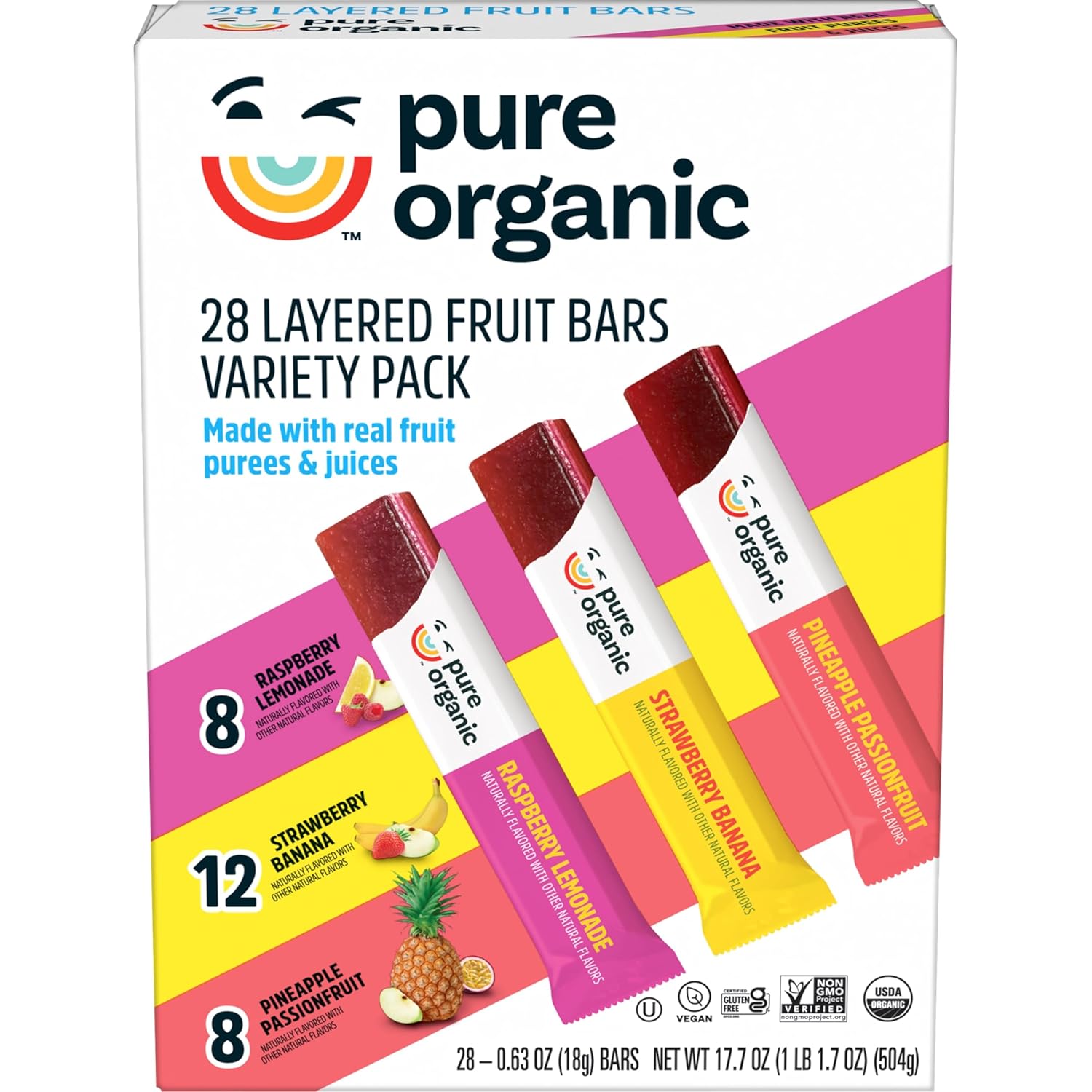
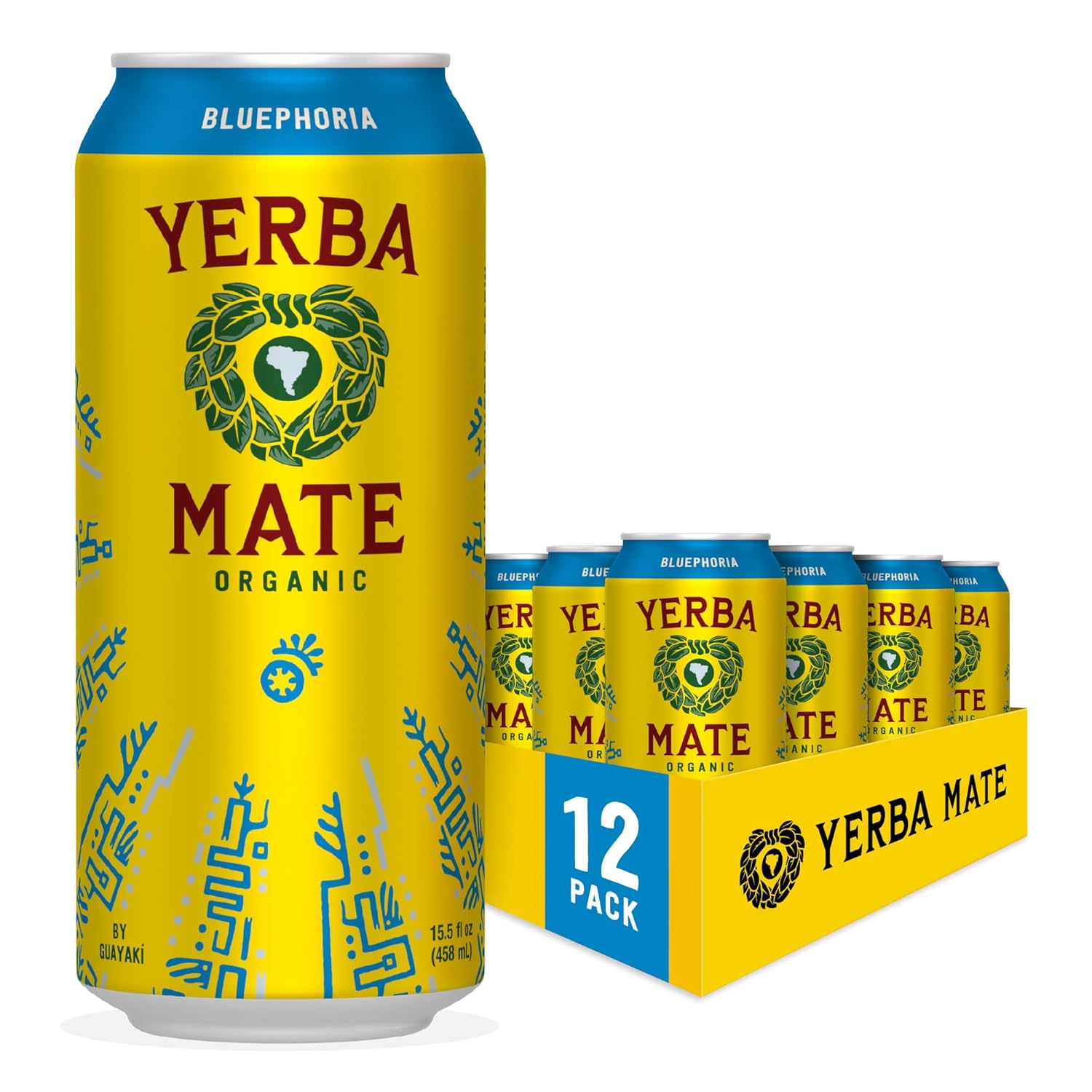
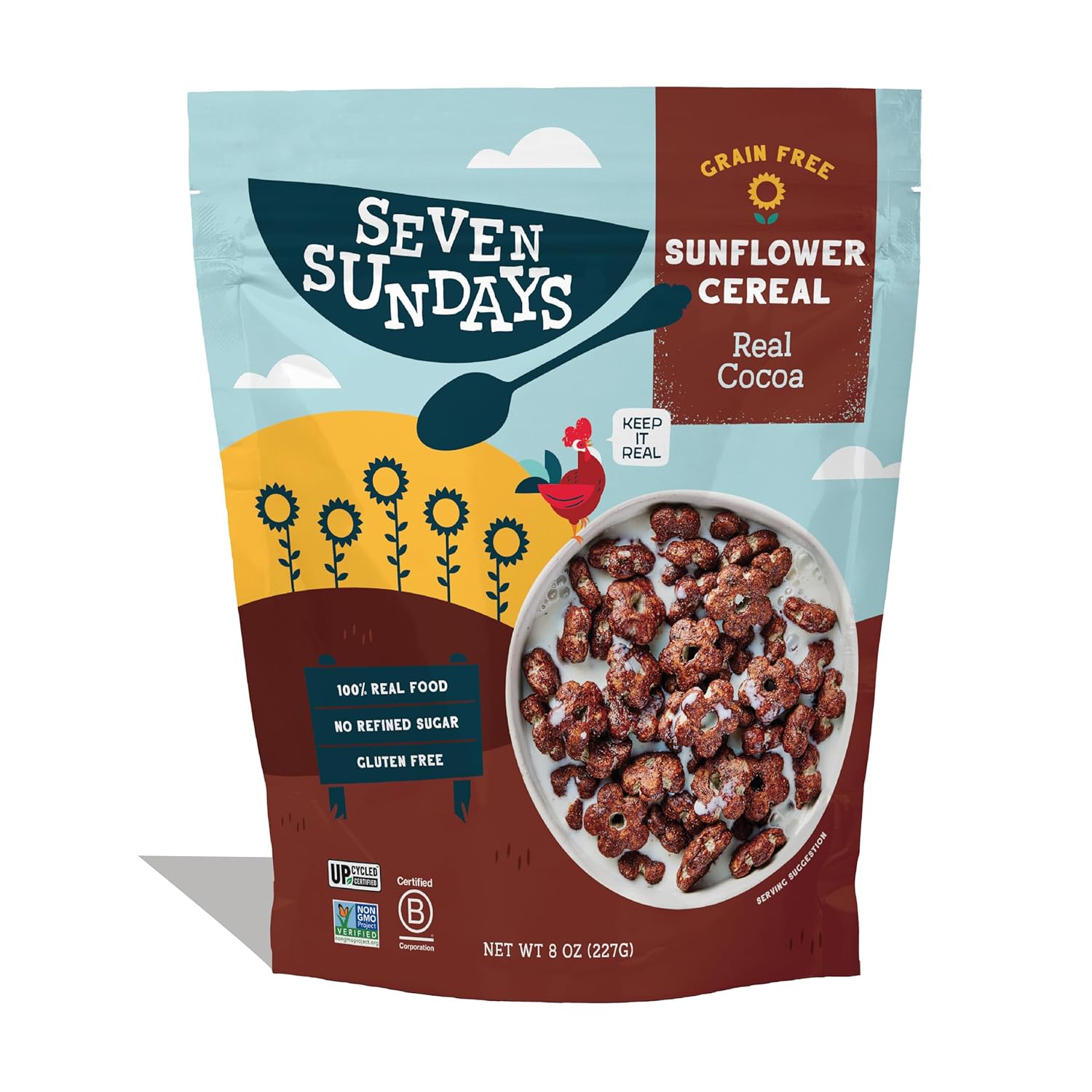
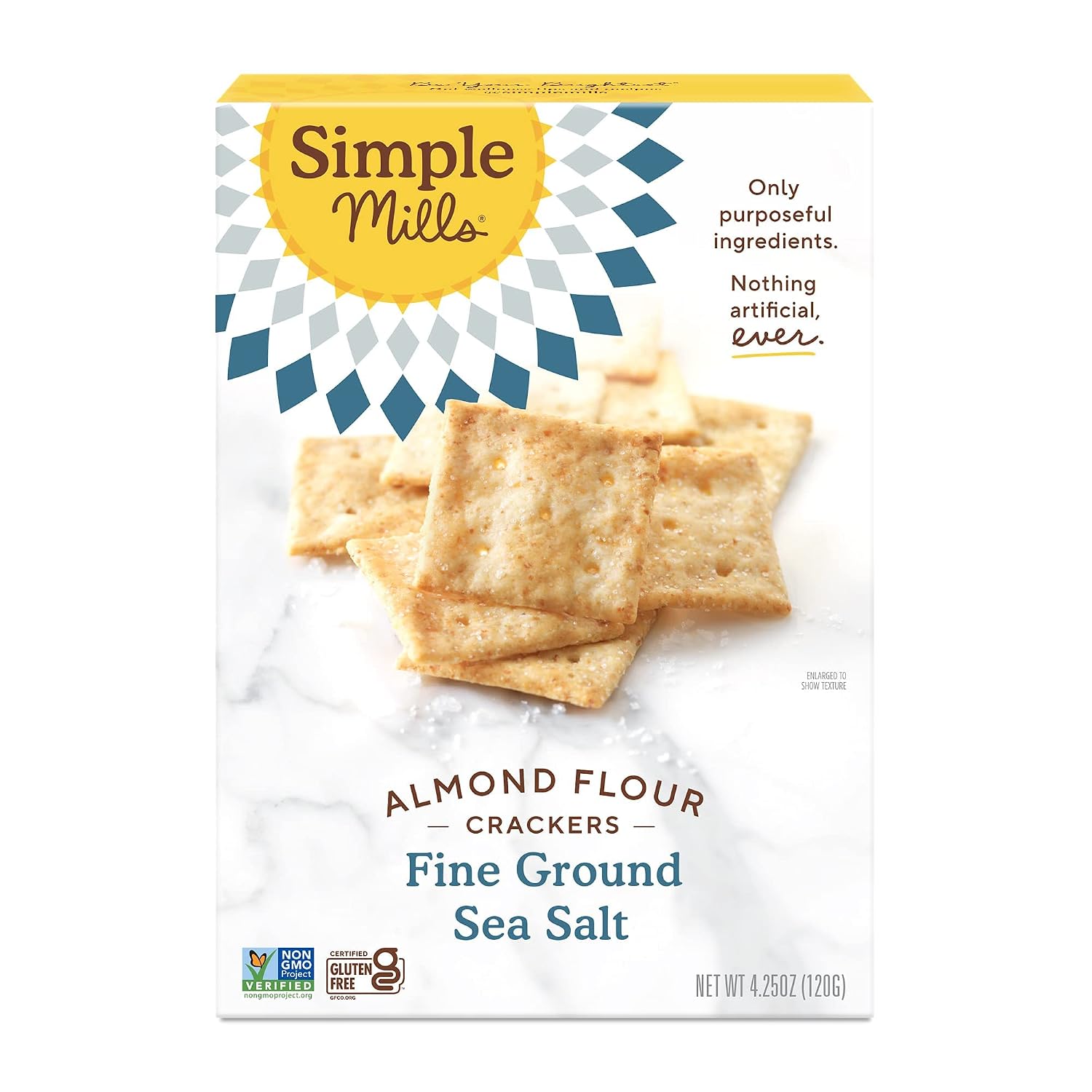
Simple Mills
Almond Flour Crackers, Fine Ground Sea Salt
How We Evaluate
What we look for
What we seek
- Minimal ingredients
- Organic certification
- Non-GMO verification
- Whole foods
- Minimal processing
- Transparent sourcing
What we avoid
- Artificial colors (Red 40, Yellow 5)
- Artificial flavors
- High-fructose corn syrup
- Hydrogenated oils
- Chemical preservatives (BHA, BHT)
- Excessive sodium/sugar
Ingredient Watch
Ingredients to watch out for
Artificial Colors
Found in: Snacks, candy, beverages
Linked to hyperactivity in children and potential carcinogenic effects
Artificial Flavors
Found in: Processed foods, beverages
Mask low-quality ingredients and may contain undisclosed chemicals
High-Fructose Corn Syrup
Found in: Sodas, sauces, bread
Associated with obesity, insulin resistance, and fatty liver disease
Hydrogenated Oils
Found in: Margarine, baked goods, snacks
Contain trans fats linked to heart disease
BHA/BHT
Found in: Cereals, snacks, packaged foods
Possible carcinogens and endocrine disruptors
Better Options
Safe alternatives
Organic whole ingredients
Minimally processed foods with recognizable ingredients
Natural preservatives
Vitamin E, rosemary extract, and citric acid
Cold-pressed oils
Avocado oil, olive oil, and coconut oil instead of seed oils
Trusted Standards
Certifications we trust
Common Questions
Frequently asked
For high-pesticide produce (the Dirty Dozen), organic is worth prioritizing. For others, conventional is fine. Focus on whole, minimally processed foods first.
No. Focus on the items you consume most and the ones with the highest pesticide loads. Progress over perfection.
Most are available at major retailers like Whole Foods, Target, Costco, and online through Amazon or brand websites.