Baby picks
Safe, gentle products for your little ones — from diapers to bath time to skincare.
Our Picks
Curated recommendations
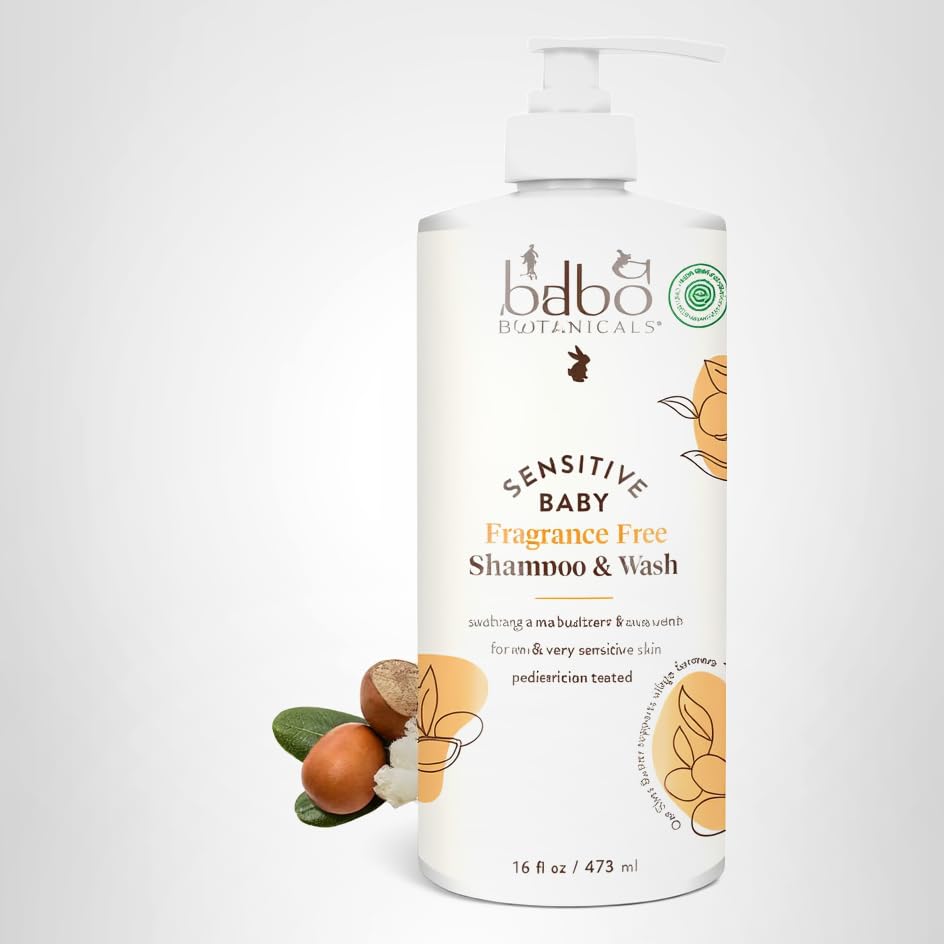
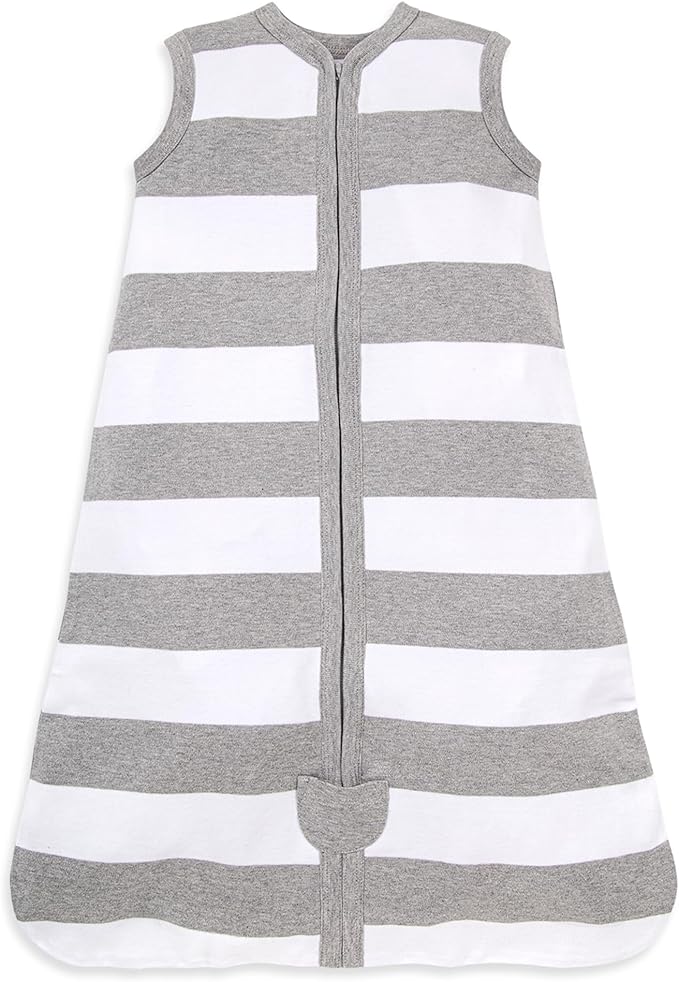
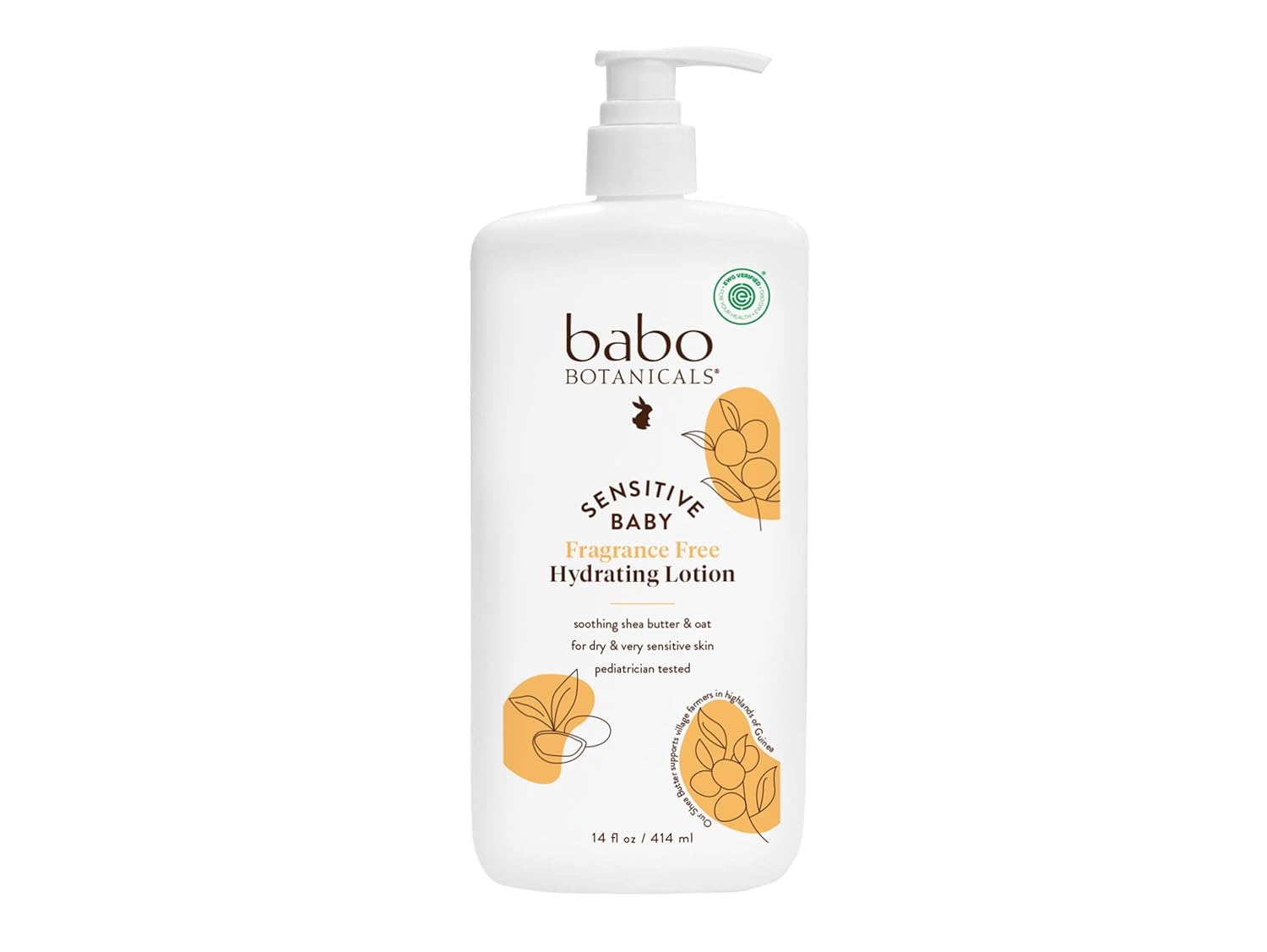
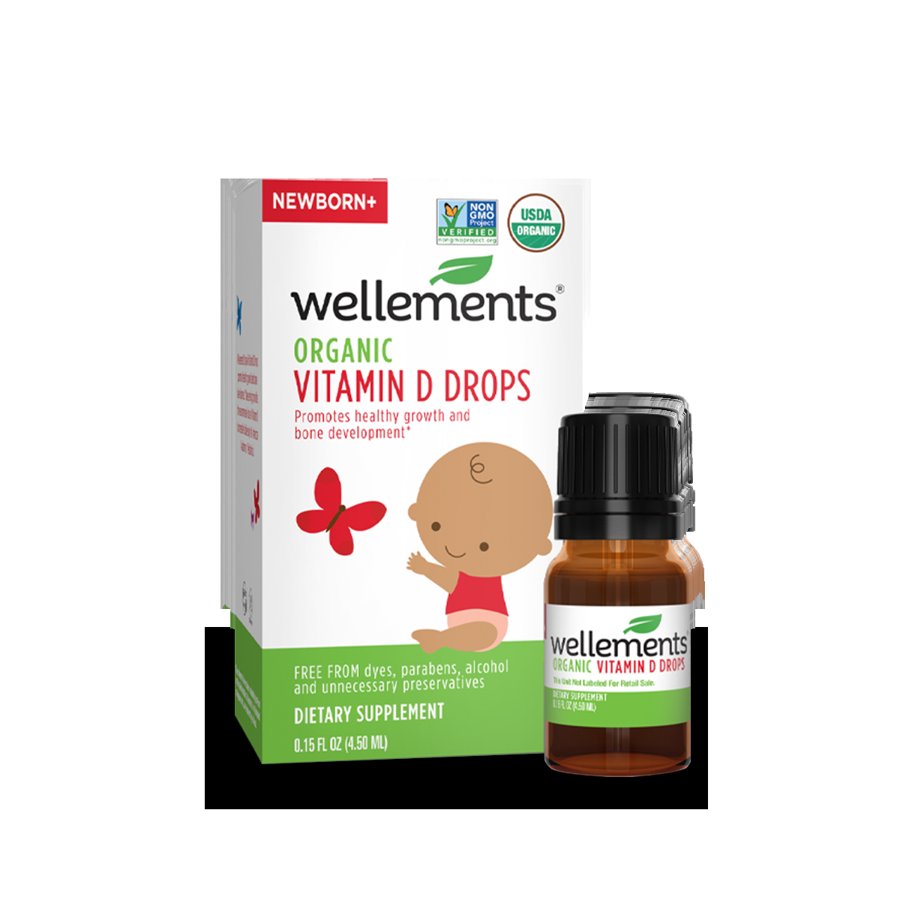
Wellements
Organic Baby Vitamin D3 Drops
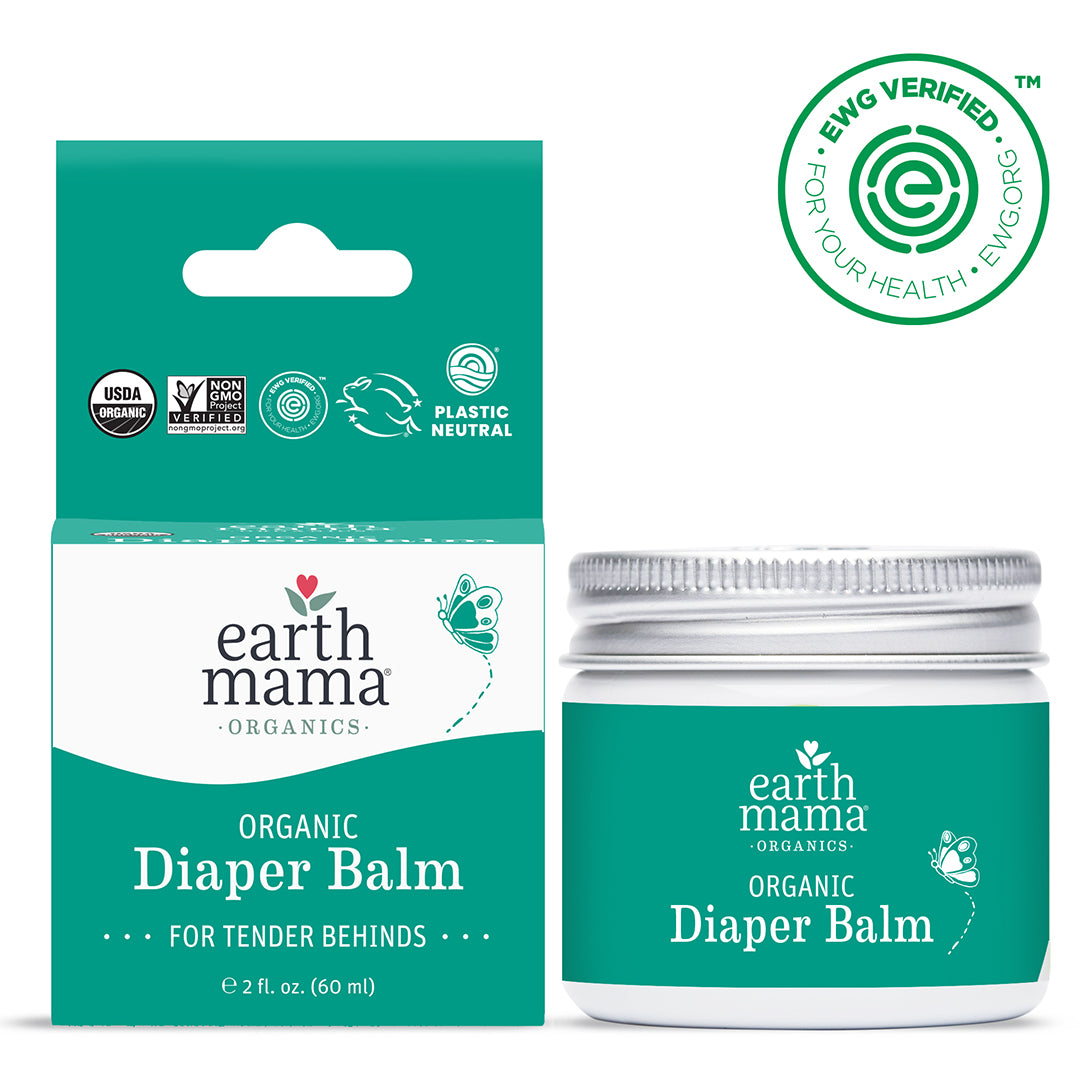
Earth Mama
Organic Diaper Balm

Thinkbaby
Baby Sunscreen SPF 50+
How We Evaluate
What we look for
What we seek
- Fragrance-free
- Hypoallergenic
- Dermatologist tested
- Pediatrician approved
- Minimal ingredients
- Organic materials
What we avoid
- Synthetic fragrance
- Parabens
- 1,4-Dioxane
- Talc
- Formaldehyde
- Mineral oil/Petrolatum
Ingredient Watch
Ingredients to watch out for
Synthetic Fragrance
Found in: Lotions, baby powder, wipes
Hormone disruption, allergies, respiratory irritation — babies are especially vulnerable
Parabens
Found in: Shampoos, lotions, creams
Endocrine disruption and hormone mimicry in developing systems
1,4-Dioxane
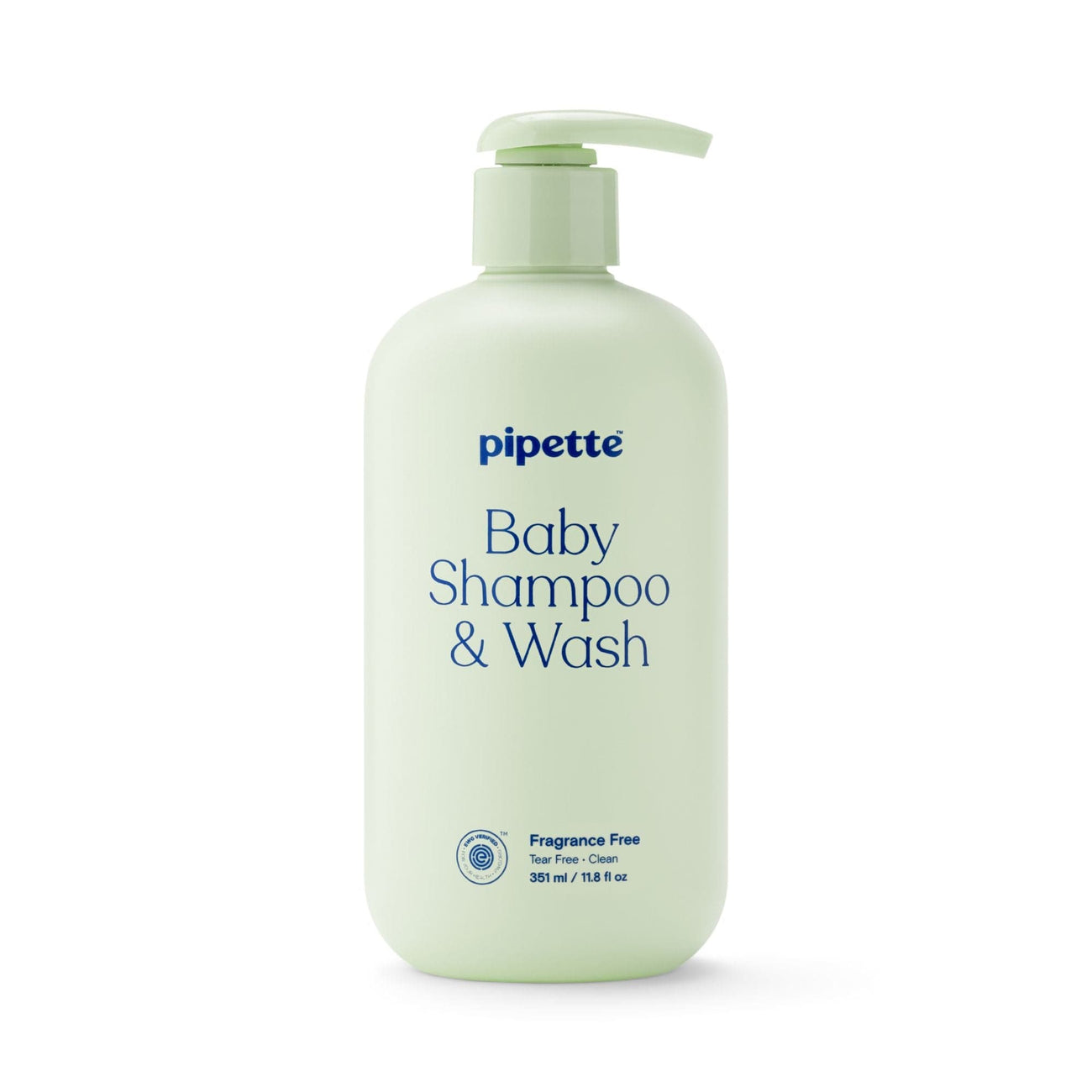
Found in: Baby washes, shampoos
A carcinogen and contaminant found in products with certain surfactants
Talc
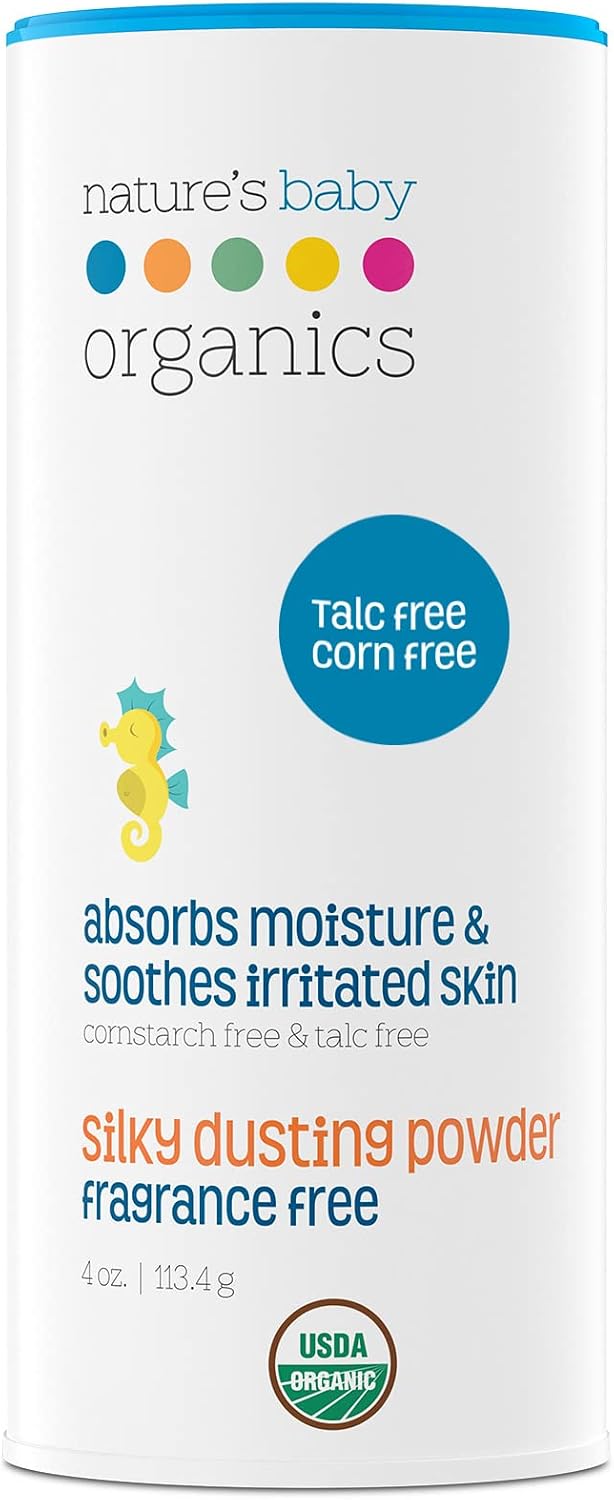
Found in: Baby powder, diaper cream
Respiratory issues and risk of asbestos contamination
Formaldehyde
Found in: Baby wipes, shampoos
Known carcinogen that causes skin irritation and respiratory issues
Better Options
Safe alternatives
Organic plant oils
Sunflower, coconut, and jojoba oils for gentle moisturizing
Natural preservatives
Vitamin E and rosemary extract
Soothing botanicals
Calendula, chamomile, and aloe vera
Simple formulas
Short ingredient lists you can actually read
Trusted Standards
Certifications we trust
Common Questions
Frequently asked
Not automatically. Look for third-party certifications like EWG Verified or MADE SAFE rather than relying on marketing claims like natural or gentle.
For newborns, yes. Regular detergent contains optical brighteners and synthetic fragrances that can irritate delicate skin. As babies grow, many families transition to gentle free-and-clear formulas.
Fragrance-free means no added scent ingredients at all. Unscented can still contain fragrance chemicals used to neutralize odors — choose fragrance-free for babies.