Supplements picks
High-quality vitamins and supplements with transparent sourcing and third-party testing standards.
Our Picks
Curated recommendations
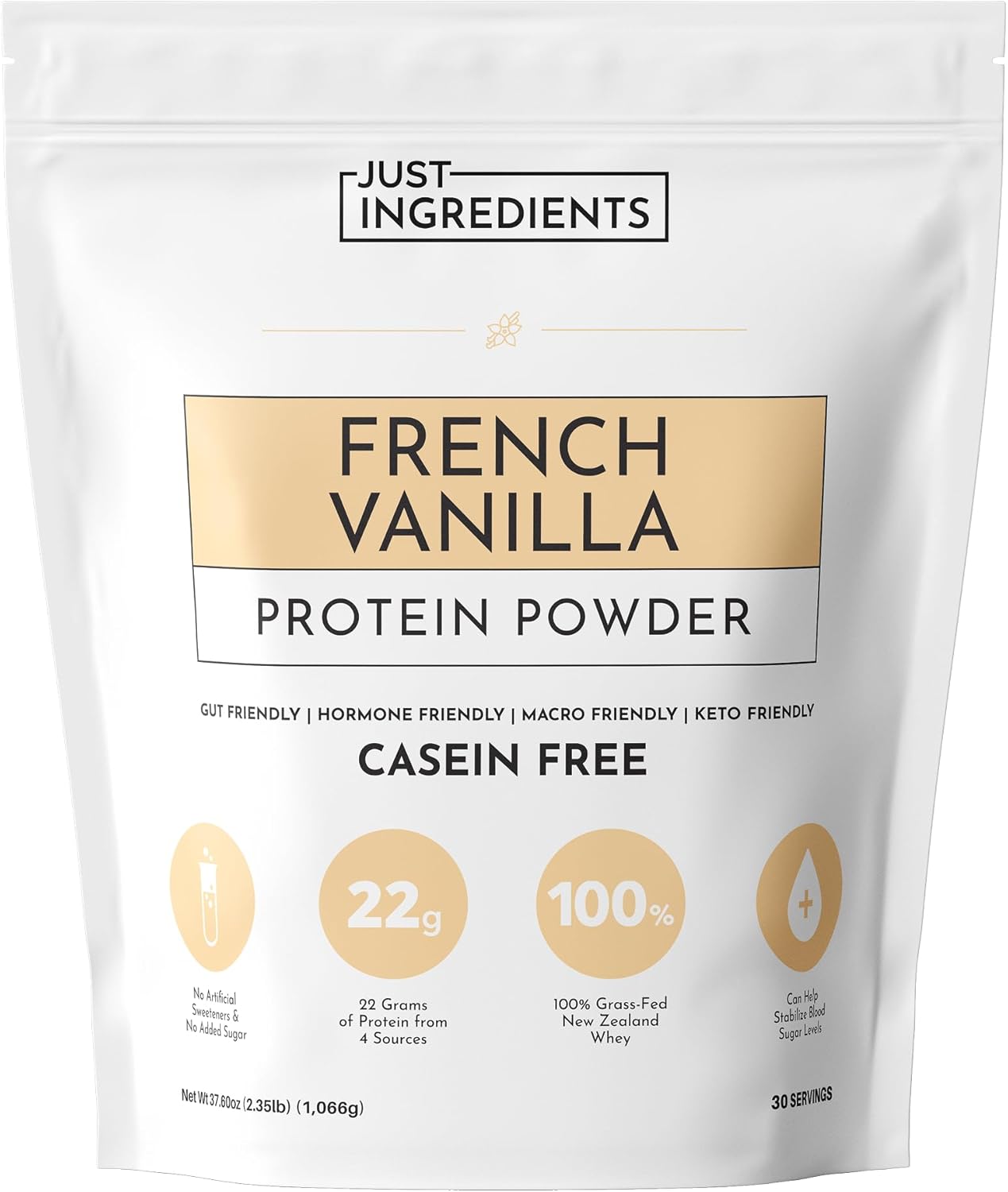
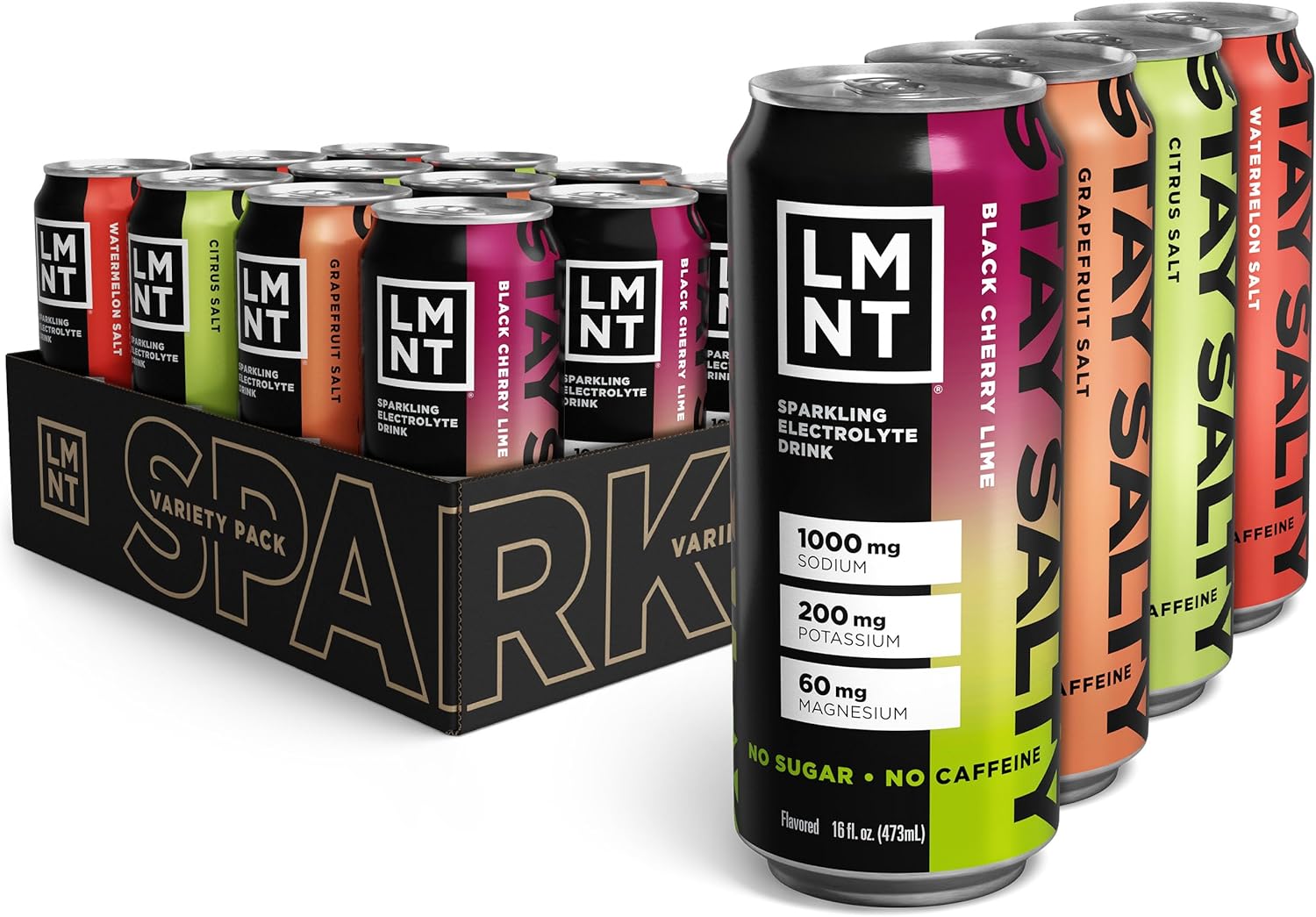
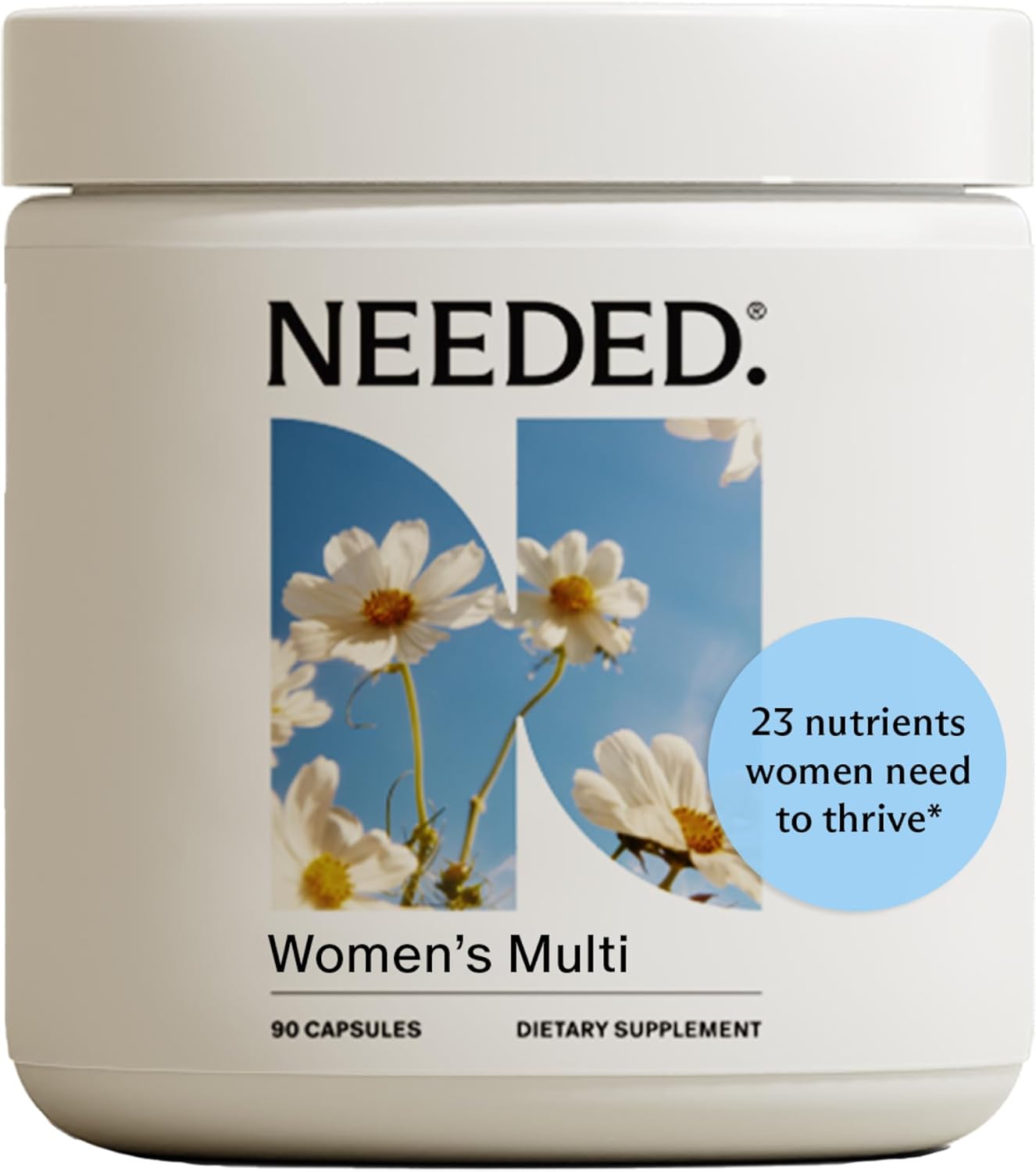
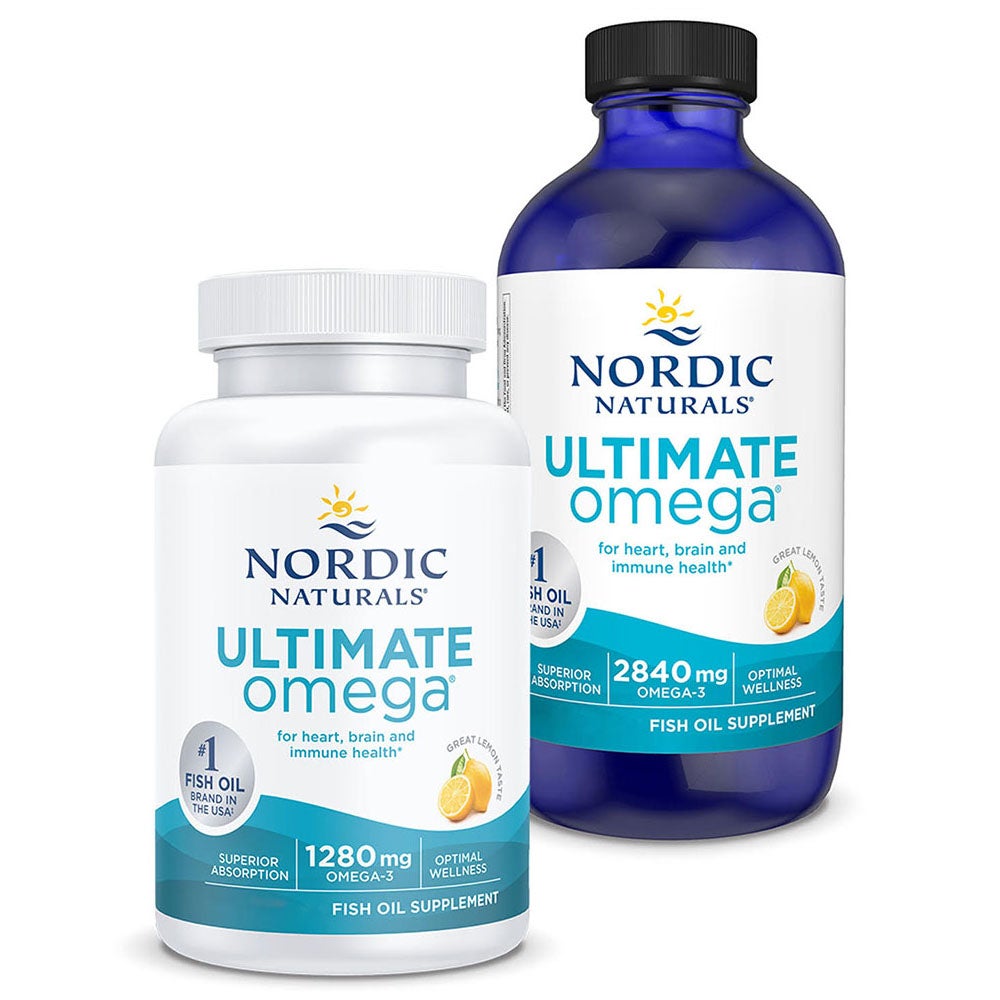
Nordic Naturals
Ultimate Omega

Thorne
Basic B Complex, 8 Active B Vitamins & Choline
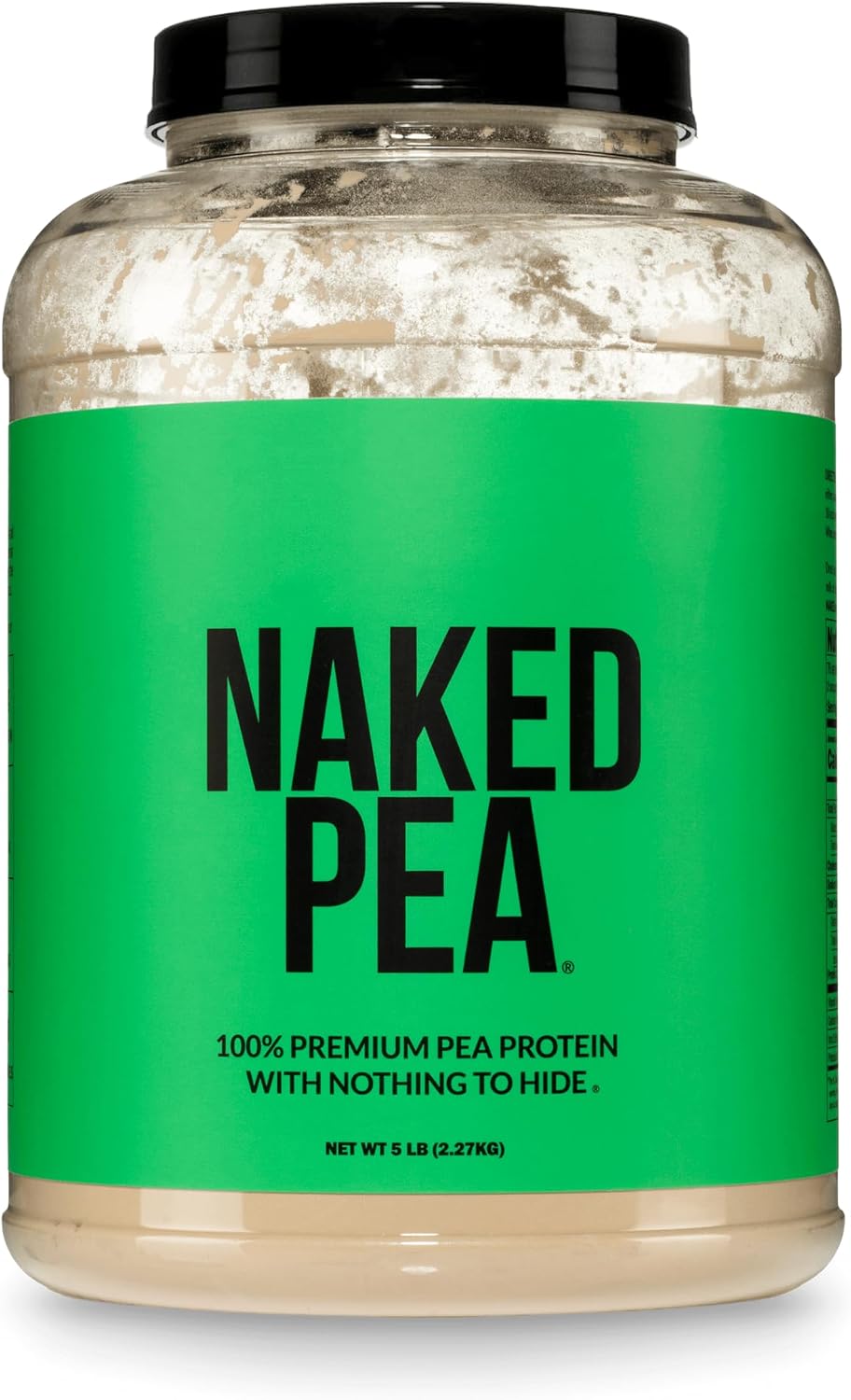
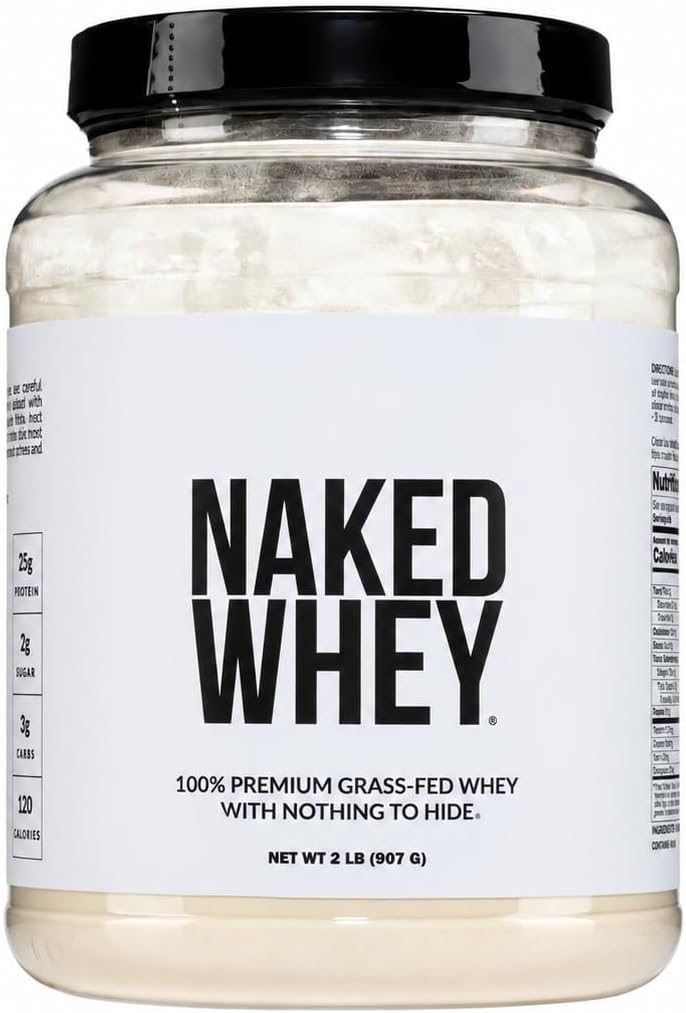
NAKED
100% Grass-Fed Whey Protein Powder, Unflavored
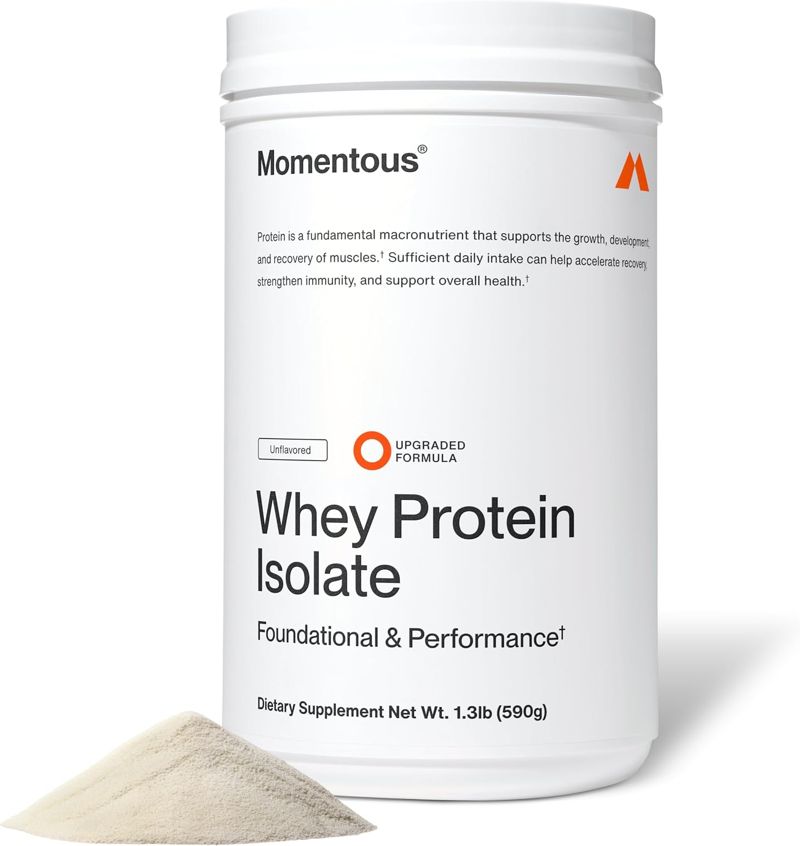
Momentous
Essential Grass-Fed Whey Protein Isolate, Unflavored
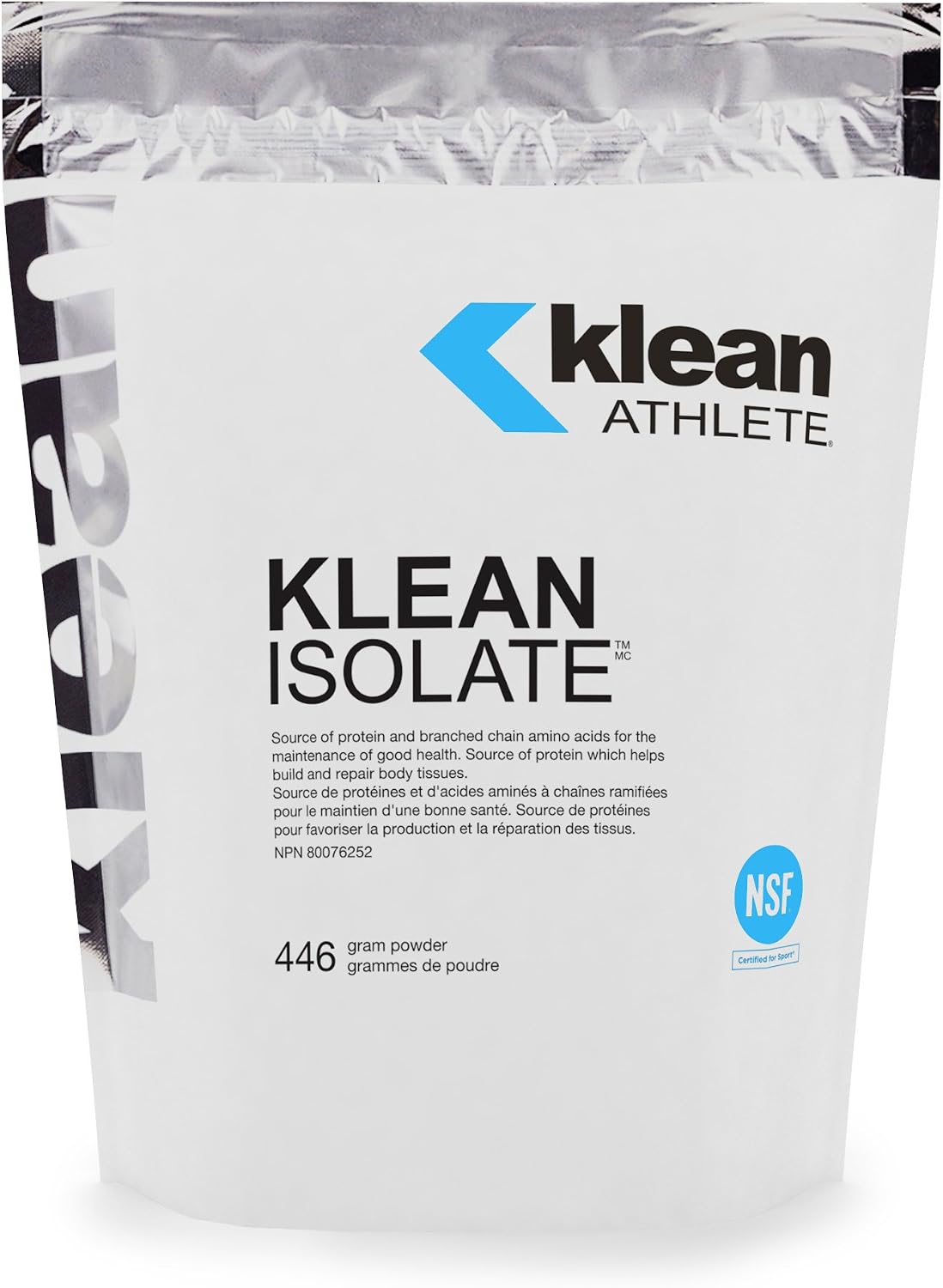
Klean Athlete
Klean Isolate, Unflavored
How We Evaluate
What we look for
What we seek
- Third-party certifications (NSF, USP, ConsumerLab, Informed Sport)
- Bioavailable forms
- Clinical dosing
- GMP certified
- Clean sourcing
- Transparent labeling
What we avoid
- Proprietary blends
- Artificial additives
- Fillers
- Poor nutrient forms
- Underdosing
- Lack of third-party testing
Ingredient Watch
Ingredients to watch out for
Proprietary Blends
Found in: Pre-workouts, multivitamins
Hide individual ingredient amounts, making it impossible to verify effective doses
Artificial Sweeteners
Found in: Protein powders, gummies
May disrupt gut microbiome and insulin response
Magnesium Oxide
Found in: Cheap magnesium supplements
Very low bioavailability (4%) compared to glycinate or citrate
Titanium Dioxide
Found in: Capsule coatings
Potential inflammatory effects and classified as possibly carcinogenic
Better Options
Safe alternatives
Chelated minerals
Glycinate, citrate, and malate forms for superior absorption
Methylated B vitamins
Methylfolate and methylcobalamin instead of synthetic folic acid
Third-party tested
NSF, USP, or ConsumerLab verified for purity and potency
Trusted Standards
Certifications we trust
Common Questions
Frequently asked
A balanced diet covers most needs, but certain nutrients like Vitamin D, magnesium, and omega-3s are commonly deficient even in healthy diets.
It depends on the nutrient. For most, the bioavailable form matters more than natural vs. synthetic. Look for methylated B vitamins and chelated minerals.
Supplements aren't regulated by the FDA the same way drugs are. Third-party testing verifies that what's on the label is actually in the bottle.